Healing the Healers: Overcoming Burnout and Perfectionism
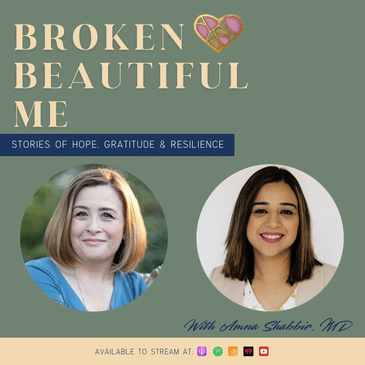
In this compelling episode, we speak with Dr. Amna Shabbir, a North Carolina-based physician, coach, and mentor who has transformed her life after overcoming healthcare burnout, postpartum depression, and anxiety. Dr. Shabbir now dedicates her career to helping fellow physicians live more fulfilled and balanced lives through personal development, coaching, and mentorship.
As the healthcare industry faces a burnout crisis, Dr. Shabbir's journey offers valuable insights into the challenges that many physicians face—particularly those who struggle with perfectionism. Having walked this path herself, she brings empathy, experience, and practical strategies to help medical professionals reclaim their well-being and passion for their careers.
In this episode, Dr. Shabbir shares:
- Her personal battle with burnout, postpartum depression, and anxiety.
- How perfectionism contributes to burnout and practical ways to address it.
- Effective self-care strategies for physicians and healthcare professionals.
- How to build emotional resilience and find balance in a demanding career.
- Tips on seeking mentorship and support to foster long-term well-being.
Connect with Dr. Amna Shabbir:
Whether you're a physician, healthcare provider, or someone dealing with stress and burnout, Dr. Shabbir's insights will guide you toward a healthier, more balanced life.
------------------
Follow the Host, Kelly Buckley:
Stay connected with Kelly Buckley and join her journey of healing, resilience, and gratitude. Follow her on social media for more inspiring content, updates on future episodes, and insights on living a life full of hope and purpose.
- Website: kellybuckley.com
- Facebook: Kelly Buckley on Facebook
- Instagram: @KellyBuckleyOfficial
- LinkedIn: Kelly Buckley on LinkedIn
- Twitter: @KellyBuckley
- YouTube: Kelly Buckley on YouTube
If you enjoyed this episode, don't forget to subscribe to the podcast, share it with your friends and family, and leave a review. Your support helps spread the message of hope, resilience, and gratitude to more listeners around the world.
00:00:02
Hello, everybody,
00:00:03
and welcome to another
00:00:04
episode of Broken Beautiful Me,
00:00:06
Stories of Hope,
00:00:07
Gratitude and Resilience.
00:00:10
This morning,
00:00:11
I am so lucky to have as a
00:00:13
guest Dr. Amna Shabir.
00:00:17
She is the founder and CEO
00:00:19
of the Early Career Physicians Institute,
00:00:22
a national board certified
00:00:23
health and wellness coach,
00:00:25
a master certified
00:00:27
life coach,
00:00:28
and a dual board certified
00:00:30
geriatrics and internal medicine doctor.
00:00:33
She passionately supports
00:00:35
early career physicians in
00:00:36
navigating life and medical
00:00:38
training challenges,
00:00:40
helping them excel
00:00:41
professionally and personally.
00:00:43
She advocates for mental
00:00:44
health access for
00:00:45
healthcare workers and is a
00:00:47
proud Dr. Lorna Green
00:00:49
Heroes Foundation ambassador.
00:00:52
Welcome, welcome, Dr. Amna Shabir.
00:00:55
Thank you for having me on the show,
00:00:57
Kelly.
00:00:59
So I was reading a little
00:01:02
bit about your bio this
00:01:03
morning and watching some of your videos,
00:01:06
and I encourage our
00:01:07
listeners to seek it out
00:01:08
because there's just little
00:01:09
nuggets of wisdom,
00:01:10
especially in your Instagram page.
00:01:12
I love your Instagram page.
00:01:13
It's wonderful.
00:01:16
In your bio, I was reading,
00:01:18
after years of pushing
00:01:19
through the demands of medicine,
00:01:21
I hit a wall.
00:01:23
Burnout and moral injury left me depleted,
00:01:25
and I knew something had to change.
00:01:28
That moment became the
00:01:29
turning point for my
00:01:30
journey from burnt out
00:01:31
physician to a wellness
00:01:33
advocate and certified
00:01:34
wellness and life coach
00:01:36
dedicated to helping others
00:01:37
reclaim their wellbeing.
00:01:39
So tell us how you harness
00:01:43
your personal struggle to
00:01:45
become a wellness advocate for others.
00:01:47
I just think that's beautiful.
00:01:49
Thank you.
00:01:50
I think we all have stories
00:01:53
and the stories in our
00:01:54
journey is what really drives us.
00:01:57
We can look back at it,
00:01:59
all those challenges that
00:02:00
we go through in life and
00:02:03
they can weigh you down or
00:02:04
they can empower you.
00:02:06
And so it's that perspective
00:02:08
shift and that perspective
00:02:09
shift takes time.
00:02:11
You don't arrive on that.
00:02:13
All of a sudden, by listening to me talk,
00:02:16
you can't just quickly flip the script.
00:02:17
Maybe you can.
00:02:19
Maybe there is something
00:02:21
that you want to do.
00:02:23
So looking back at all the
00:02:26
moments where I felt less than,
00:02:30
when I felt imperfect,
00:02:32
when I felt inadequate,
00:02:34
and when I truly struggled with
00:02:38
postpartum depression
00:02:39
through physical health
00:02:40
challenges that I had in my
00:02:41
life and actual,
00:02:42
like some things you can say, oh,
00:02:44
it's tangible.
00:02:45
We have a lab value attached to it.
00:02:47
So I think society will say, wow, okay,
00:02:49
a bone is broken.
00:02:50
A lab is abnormal.
00:02:52
Clearly there is a struggle.
00:02:53
So you can look back at all
00:02:54
those challenges and
00:02:56
moments of adversity and
00:03:00
those are in them.
00:03:01
They contain
00:03:03
fodder for what you're going to go.
00:03:05
There's kindling over there.
00:03:06
What are you going to make off yourself?
00:03:09
And how are you actually
00:03:10
going to take this,
00:03:11
whatever happened to you,
00:03:12
heal from it and share it
00:03:15
with others so that they can heal?
00:03:17
Because our journeys may seem so isolated.
00:03:22
There are common themes and
00:03:23
we can all help each other.
00:03:25
We are all
00:03:27
going through different
00:03:29
stages of our life journeys
00:03:31
that require help.
00:03:32
So being there to support others matters.
00:03:36
And we think that we have to
00:03:37
completely heal and then we
00:03:39
have to have a lot of
00:03:40
certifications and then we
00:03:42
can help others.
00:03:43
Like as a physician and all
00:03:44
the things that I have done,
00:03:45
like that's okay.
00:03:47
Well, what gives me the right support?
00:03:50
I think that the best thing
00:03:51
that gives you the right is
00:03:52
if you have been in a place
00:03:53
and a space and you have
00:03:55
felt what it was like to
00:03:57
feel that specific feeling,
00:03:59
that adversity, that way.
00:04:02
And if you know how to
00:04:03
create something better from it,
00:04:05
I think that is enough for
00:04:07
you to start even sharing
00:04:09
your story has so much
00:04:10
healing attached to it.
00:04:12
Mm-hmm.
00:04:14
And it's so important to
00:04:17
feel that sense of
00:04:19
community when you are
00:04:20
struggling with something.
00:04:22
And when you meet somebody who,
00:04:25
like you said,
00:04:25
is courageous enough to
00:04:28
share their story and you
00:04:30
don't feel like you're
00:04:31
alone in your struggle, I mean,
00:04:34
that is the first step for
00:04:35
other people healing.
00:04:37
I've often thought,
00:04:39
You know,
00:04:39
I think that's what we're
00:04:40
supposed to do with our struggles, right?
00:04:42
I think maybe we're all
00:04:43
supposed to look at what
00:04:44
has happened to us and then
00:04:46
extend a hand to another to help them.
00:04:51
So I'm wondering about the
00:04:53
relationship between
00:04:55
boundaries and burnout.
00:04:57
Because I read a little bit of...
00:05:02
on your posts,
00:05:03
and you talked about boundaries,
00:05:05
and it's such an important topic.
00:05:08
And especially, and I mean,
00:05:11
I don't mean to leave the guys out there,
00:05:12
but I feel like women,
00:05:14
and maybe this is because I
00:05:17
personally struggle with that,
00:05:19
I feel like women have
00:05:20
struggles with boundaries.
00:05:22
So talk to me about the
00:05:23
relationship between
00:05:24
boundaries and boundaries,
00:05:25
and what we can do about
00:05:28
Boundaries have absolutely
00:05:29
everything to do with burnout.
00:05:32
Boundaries, I would say,
00:05:34
are the ultimate self-care tool.
00:05:36
When you say self-care,
00:05:37
you're thinking massages
00:05:39
and facials and vacations.
00:05:41
Everything starts with a boundary.
00:05:43
And so I think they are the core.
00:05:46
They're at the heart of
00:05:48
reclaiming your sense of self.
00:05:51
And you don't want to set
00:05:52
them because they're not fun to do so.
00:05:55
And of course, of course,
00:05:56
women historically have
00:05:58
suffered more because you are a giver,
00:06:01
you're a nurturer.
00:06:03
It is in your innate nature
00:06:04
to give and to nurture till
00:06:06
you have nothing else left
00:06:08
to give and nurture.
00:06:10
So you're always going to
00:06:11
put yourself last.
00:06:12
And as you look at
00:06:14
boundaries and boundary setting,
00:06:17
it really is the core
00:06:18
component of your wellbeing,
00:06:21
whether you are a
00:06:23
a man, woman,
00:06:24
however you want to identify at this time,
00:06:27
or if you are going through
00:06:30
a rough time at work or at home,
00:06:33
we love to put blocks as well.
00:06:34
Like let's time block,
00:06:36
like this is problems at
00:06:37
home and this is problems at work.
00:06:40
And, you know, that's where we're at.
00:06:43
We need to fix this issue at home.
00:06:45
And this is like a work issue.
00:06:47
Let's stop blocking things
00:06:49
into time blocks of work and home.
00:06:52
Everything is interconnected.
00:06:54
What you're experiencing at home,
00:06:57
the boundary violations or
00:06:58
lack of boundaries that are
00:07:00
happening at home are
00:07:01
spilling into work and work
00:07:03
are spilling into home.
00:07:05
We teach people how to treat us.
00:07:07
And so every time you are
00:07:09
saying yes to things that
00:07:11
don't align with you, whenever you are
00:07:15
Having moments where you
00:07:17
feel like I should probably
00:07:19
behave like a person who is
00:07:23
nice to be around.
00:07:25
I don't want to be called the B word.
00:07:27
I just want to be somebody
00:07:28
who gets along with everyone.
00:07:30
And every time that depletes you,
00:07:32
it's exhausting.
00:07:33
So the first step to any
00:07:36
kind of well-being that you
00:07:38
want to create for yourself
00:07:39
is a boundary.
00:07:40
And that can look very
00:07:42
different for all of us.
00:07:43
Because some of us need
00:07:45
specific boundaries at work.
00:07:47
Some of us need specific
00:07:49
urgent boundaries at home.
00:07:51
And most of us need it both at home,
00:07:55
at work.
00:07:55
We need them everywhere.
00:07:58
Yeah.
00:07:59
So it's kind of that balance
00:08:01
of setting boundaries but
00:08:02
still being connected to your community.
00:08:06
So do you feel like when
00:08:09
someone starts on that journey,
00:08:10
where they show up, they feel
00:08:13
they feel that moment.
00:08:14
They just, they just can't do it anymore.
00:08:16
And there's, there's things happening, um,
00:08:19
both at work and at home.
00:08:22
Um, I mean, I know for myself,
00:08:26
I don't even think I was
00:08:27
aware of the negative
00:08:29
feelings I was feeling at first, you know,
00:08:32
and it wasn't until I
00:08:33
really started to look
00:08:34
around at my life in a
00:08:36
truly honest way that I said that, Ooh,
00:08:39
that,
00:08:40
that really is not working
00:08:41
for me and that is
00:08:42
preventing me from moving forward with A,
00:08:45
B,
00:08:45
or C. Do you find that people need that
00:08:49
kind of pause to really
00:08:52
look around their life and
00:08:56
see what do I need to erect
00:08:58
in what parts of my life?
00:09:01
Because it's difficult to be aware of that,
00:09:03
especially if you are burnt out,
00:09:05
you're probably running
00:09:07
from work to home and
00:09:10
you know,
00:09:10
sports practices and all those things.
00:09:13
So is there a period of
00:09:15
pause to gain that self-awareness?
00:09:20
I love pauses.
00:09:21
Again,
00:09:22
you're really thinking what I'm
00:09:24
thinking here, Kelly,
00:09:25
because our lives are overcommitted.
00:09:28
They're overscheduled.
00:09:29
We are going from point A to
00:09:31
point B. We're rushing.
00:09:33
All day we're rushing
00:09:34
because we don't have boundaries.
00:09:37
So our schedules are exploding,
00:09:40
whether it's with meetings,
00:09:42
whether it's work-related things.
00:09:44
people who work in health care,
00:09:45
they have a completely
00:09:47
different set of challenges.
00:09:48
And with them,
00:09:50
the conversation of burnout
00:09:51
is absolutely incomplete
00:09:53
without talking about moral injury.
00:09:55
And we can talk a little bit
00:09:56
more about that later too.
00:09:57
But if you look at where we
00:09:59
are as a society, we're all overcommitted,
00:10:02
overscheduled.
00:10:04
And we're really shying away
00:10:06
from saying no,
00:10:07
because we say that boundaries,
00:10:09
the way we view boundaries is flawed.
00:10:11
Most of us, myself included,
00:10:14
when I didn't do all this
00:10:15
work surrounding healing,
00:10:16
surrounding empowerment specifically,
00:10:18
I used to look at
00:10:19
boundaries as something
00:10:20
extremely negative in a way that, oh,
00:10:24
look at her.
00:10:25
She's really drawing her boundaries.
00:10:27
Like it's a way to draw a
00:10:28
wedge between you and the community,
00:10:30
you and other people,
00:10:31
you and other humans.
00:10:33
a way to distance yourself.
00:10:35
And some individuals will
00:10:36
also look at it as some
00:10:37
sort of entitlement and
00:10:39
where it's absolutely anything but that.
00:10:43
When we talk about boundaries,
00:10:44
the way you look at
00:10:45
boundaries really will
00:10:47
dictate how you draw them
00:10:49
and if you actually enact them.
00:10:51
If you look at boundaries as
00:10:52
a way to replenish and
00:10:54
nourish yourself so you can
00:10:56
show up as a more present
00:10:58
human to the other people in your life,
00:11:01
you will draw the boundary.
00:11:02
But if you look at a
00:11:04
boundary as a veg that is
00:11:05
going to distance you from other humans,
00:11:07
you won't do it.
00:11:08
So absolutely the first step
00:11:10
towards any change is a pause,
00:11:13
is to slow down.
00:11:15
Nobody can create change at
00:11:16
the pace they're at right now
00:11:18
your current schedule,
00:11:20
and if you start contemplating change,
00:11:22
of course,
00:11:22
there are stages of change as
00:11:24
there is transfer
00:11:25
theoretical model of change,
00:11:26
but wherever you are at,
00:11:28
if you have to make any
00:11:30
sort of positive impact or change,
00:11:33
you have to slow down and
00:11:35
you have to reflect, you have to audit.
00:11:38
I love audits.
00:11:40
Let's look at your life
00:11:41
right now and what is
00:11:42
working and what's not working.
00:11:44
And I love numbers.
00:11:47
Let's get real.
00:11:48
Look at your schedule.
00:11:50
Look at what you're doing right now.
00:11:53
There's a book I refer to
00:11:54
quite a bit by Oliver Berkman,
00:11:57
Four Thousand Weeks,
00:11:58
Time Management for Mortals.
00:12:00
So in the book, that's what he says.
00:12:03
Like on average,
00:12:04
studies show that the
00:12:05
average human lifespan is right now,
00:12:08
four thousand weeks.
00:12:10
And if you look at that,
00:12:11
and I believe one of his
00:12:12
quotes is and might be
00:12:13
paraphrasing here is like
00:12:14
the human lifespan is absurdly,
00:12:17
terrifyingly, insultingly short.
00:12:20
And so when you look at that,
00:12:23
start getting intentional
00:12:24
with your time and what's
00:12:26
even more precious than your time.
00:12:28
your attention, your focus,
00:12:30
because we all get the same
00:12:31
twenty four hours in a day.
00:12:33
But how much of that is time
00:12:34
that you can focus and you
00:12:36
can be completely present?
00:12:38
So now look at that number.
00:12:41
Look at your life.
00:12:42
Should you have or not have boundaries?
00:12:45
Ask yourself this question.
00:12:47
Should you not pause and get
00:12:48
really intentional where
00:12:50
and how you are spending this time?
00:12:53
And that doesn't mean that
00:12:54
you're going to suddenly
00:12:55
become what you feel is a
00:12:57
self-centered human.
00:12:59
That means you're just going
00:13:00
to become intentional with
00:13:02
how you take the next steps.
00:13:04
And so to even identify what
00:13:06
the next step is fine.
00:13:07
Okay.
00:13:08
Step one was you took a pause.
00:13:10
You realize let's audit my life right now.
00:13:14
And then you start realizing, okay,
00:13:17
from the space of slowing down,
00:13:19
I think I need to change things at work.
00:13:22
I need to change things at home.
00:13:24
Maybe there are things I
00:13:25
don't need to do anymore.
00:13:27
Maybe I don't need to go and
00:13:28
buy my groceries.
00:13:29
Maybe I can get them delivered.
00:13:30
So whatever the next step is
00:13:32
in terms of delegating tasks,
00:13:34
whatever that boundary will
00:13:36
look like for you,
00:13:37
that starts from a space of
00:13:39
pausing and reflection.
00:13:43
It's funny.
00:13:44
I meditate in the mornings at my church.
00:13:47
And I was looking at the
00:13:50
fence when I was actually looking at
00:13:54
stuff in preparation for
00:13:55
this podcast and when I
00:13:57
think about the boundaries
00:13:59
I said I always look at the
00:14:00
fence we put up when we
00:14:01
bought this property we put
00:14:03
up a large fence in the
00:14:05
back because we have two
00:14:06
labs and you know we wanted
00:14:08
and it was it was a means
00:14:10
of protection right so a
00:14:11
means of safety so
00:14:12
sometimes boundaries are
00:14:13
about keeping your yourself
00:14:15
your inner wellness safe um
00:14:20
But around that fence, we have three gates,
00:14:25
three big gates,
00:14:26
so that we can let people
00:14:30
in and we can let the dogs
00:14:31
out and explore.
00:14:33
And that's kind of how I
00:14:35
look at boundaries for my own life,
00:14:36
is that they're there to keep me safe.
00:14:40
But when I feel like someone
00:14:41
can be welcomed into my backyard,
00:14:43
I can open the gate.
00:14:46
And I'm not afraid to open
00:14:47
the gate and do it myself.
00:14:48
if I want to explore something different.
00:14:52
But it is difficult for people,
00:14:55
especially in family situations, hey,
00:14:58
where, you know,
00:15:01
the generational
00:15:03
relationship maybe has not
00:15:07
had boundaries.
00:15:08
And so people grow up in a
00:15:09
way where they don't think
00:15:10
that they are allowed to
00:15:12
have them themselves.
00:15:14
So it's almost like a relearning, I guess,
00:15:17
right?
00:15:17
Yeah.
00:15:18
Yeah.
00:15:19
I'm glad that you pointed
00:15:20
out that the
00:15:22
intergenerational view and
00:15:24
how we look at things differently
00:15:27
We like to have like gold standards,
00:15:29
right?
00:15:29
By the end of this podcast,
00:15:31
by the end of this recording,
00:15:32
you're going to have like
00:15:32
tips and tricks to follow.
00:15:35
Let's slow down with that.
00:15:36
You know,
00:15:37
let's just slow down for one
00:15:38
moment and realize that we
00:15:39
should not copy paste
00:15:41
everything we hear and try
00:15:42
to apply that to our lives
00:15:43
because our lives,
00:15:44
all of our lives are
00:15:45
different and unique in a specific way.
00:15:48
How you were raised, where you were raised,
00:15:50
the set of beliefs you were
00:15:51
raised and what you believe in now,
00:15:53
all of these things change and grow and,
00:15:55
or maybe they don't.
00:15:56
Wherever you find yourself right now,
00:15:58
boundaries are unique.
00:16:00
Boundaries are unique to all of us.
00:16:03
And where you might feel that, oh,
00:16:05
my goodness, I really need a boundary.
00:16:07
Another human might feel like, well,
00:16:09
I don't feel the need.
00:16:10
And so sometimes also
00:16:14
society makes you feel like, wow,
00:16:15
I need to do some boundary setting.
00:16:17
Well, maybe this is not where you need it.
00:16:19
You need it somewhere else.
00:16:20
So finding and recognizing,
00:16:22
this is a really big myth
00:16:23
that when I'm working with folks,
00:16:25
I realize, no,
00:16:27
a specific boundary does
00:16:29
not have to be copy-pasted
00:16:30
and applied to everyone.
00:16:32
You have to filter it
00:16:33
through the lens of what works for you.
00:16:36
What is culturally,
00:16:38
socially appropriate for you?
00:16:40
What aligns for you?
00:16:42
Even leave culture, society,
00:16:43
everything aside.
00:16:46
What is feeling good to you right now?
00:16:49
And of course,
00:16:51
if what you are feeling and
00:16:52
wanting goes completely
00:16:54
against your social cultural beliefs,
00:16:57
that's okay too.
00:16:58
Let's normalize all of it.
00:17:00
It is a process.
00:17:03
And how are you going to
00:17:03
then communicate it to the
00:17:05
older generations in a
00:17:06
space of compassion, respect,
00:17:08
and how are you going to share it
00:17:11
What is the opposite of not doing it?
00:17:14
All the,
00:17:15
the four thousand weeks are being
00:17:16
wasted with exhaustion, resentment,
00:17:20
energy depletion, lack of presence,
00:17:22
where if you had
00:17:24
respectfully shared your boundary,
00:17:26
I think that the time that
00:17:27
you have with that other human,
00:17:29
even if they are not understanding,
00:17:33
would be good time.
00:17:33
And frankly speaking, Kelly,
00:17:35
at the end of the day,
00:17:36
the people that really
00:17:37
matter will always
00:17:39
understand your boundary.
00:17:40
They might be surprised by it.
00:17:44
It's a really good way to pulse check
00:17:47
the people that truly want
00:17:48
to be around you because
00:17:49
they will start becoming very apparent.
00:17:51
Like this human actually
00:17:52
cares about me and not the
00:17:54
things that I do or all
00:17:56
these other roles that I was filling.
00:17:59
They care about me,
00:18:00
not that fact that I am
00:18:03
getting things done for them.
00:18:04
or the performance that I
00:18:07
was giving and the
00:18:09
production that I was giving,
00:18:10
but actually who I am and
00:18:11
my identity and being as a human,
00:18:14
because you,
00:18:15
the people who truly matter
00:18:16
in care will always be
00:18:17
there to honor and respect
00:18:19
your boundaries.
00:18:21
Absolutely.
00:18:24
So you,
00:18:24
and you actually work in geriatric
00:18:29
setting, correct?
00:18:31
So I'm sure that you see
00:18:32
kind of the family dynamics
00:18:36
with, you know, elderly, aging parents,
00:18:39
grandparents,
00:18:40
and their families who are
00:18:41
managing their care.
00:18:43
And that's, you know, it's a tough,
00:18:47
we took care of my husband's parents.
00:18:51
And that is,
00:18:55
it's a difficult but beautiful honor,
00:19:01
you know?
00:19:01
It is an honor, I think.
00:19:03
a sacred duty that you have.
00:19:07
But sometimes your
00:19:07
boundaries do get blurred because of,
00:19:10
you know, care that they need.
00:19:12
And so it is about managing the boundaries,
00:19:16
but also putting yourself a
00:19:18
little bit of slack when
00:19:19
they don't necessarily hold, right?
00:19:22
I mean, we have to be realistic sometimes.
00:19:25
I want to circle back a
00:19:27
little bit about moral injury.
00:19:29
Can you talk to us about
00:19:31
that and its relationship with partners?
00:19:35
Yeah, thank you.
00:19:36
And just to comment a little
00:19:38
bit about what you have shared.
00:19:40
As a geriatrician,
00:19:41
it is the honor of my life
00:19:43
because after practicing primary care,
00:19:45
I went for a fellowship in
00:19:46
geriatrics and now I help
00:19:49
older adults and their families.
00:19:51
Caregiving is a completely
00:19:52
different ballgame.
00:19:54
And we have to recognize the
00:19:57
unique circumstances.
00:19:57
So it is one of those unique circumstances,
00:20:00
self-care of the caregiver,
00:20:02
and how do you honor an
00:20:04
older adult in their aging process?
00:20:06
These are complex things,
00:20:07
but it is important to have
00:20:10
compassion for yourself and
00:20:12
for the other human in this
00:20:13
entire process.
00:20:13
So if anybody listening to this
00:20:16
needs you know that you're
00:20:17
not caring for yourself and
00:20:19
you're just caring for the
00:20:20
older adult that you're
00:20:20
caring for it's really
00:20:22
important that you care for
00:20:23
your own needs as well and
00:20:25
and recognize you mentioned
00:20:28
like we have to be
00:20:28
realistic we always have to
00:20:30
be realistic with
00:20:31
boundaries like otherwise
00:20:32
it's not if you're not
00:20:32
going to actually do it
00:20:33
there's no exercise in
00:20:35
making um in fantasizing
00:20:37
and you know creating those
00:20:39
things try to keep something small
00:20:42
a boundary that is small,
00:20:44
that will give you relief and realistic,
00:20:47
you know, and why do I say small?
00:20:49
Because doable.
00:20:50
I think maybe I should use
00:20:51
the word doable.
00:20:52
Whatever will be helpful for
00:20:54
you and recognizing that
00:20:56
how we care for older
00:20:57
adults and the struggles
00:20:58
that families go through at
00:20:59
that time are very different.
00:21:01
And viewing it through a
00:21:02
lens of immense compassion
00:21:05
is very important.
00:21:06
And now cycling back to moral injury,
00:21:10
Kelly.
00:21:11
I think that
00:21:13
When we talk about
00:21:13
healthcare workers and we
00:21:15
talk about the plight of
00:21:16
healthcare workers, you know,
00:21:18
about half of the
00:21:20
healthcare workers in U.S.,
00:21:21
according to the Medscape burnout report,
00:21:23
about forty nine percent of
00:21:24
them report being burnt out.
00:21:26
And most of them have been
00:21:27
burnt out for prolonged periods of time.
00:21:30
We have physician shortages,
00:21:32
physicians leaving medicine,
00:21:34
all these things happening.
00:21:35
Other healthcare workers are
00:21:36
burnt out as well.
00:21:38
The term burnout.
00:21:40
it was an occupational term,
00:21:42
and it was borrowed from
00:21:43
industry and then applied to healthcare.
00:21:46
But what healthcare workers
00:21:48
are going through is not
00:21:50
completely described by burnout.
00:21:52
So when you just say burnout,
00:21:55
a lot of healthcare workers,
00:21:56
a lot of physicians feel
00:21:58
like you're pointing a finger at them.
00:22:00
Like, you know, you need to just go
00:22:02
and take breaks and vacation,
00:22:04
and that's going to solve the issue.
00:22:06
So it's incomplete to just
00:22:08
talk about burnout when we
00:22:10
talk about what's happening
00:22:11
to our healthcare workers.
00:22:12
The term moral injury enters
00:22:14
over here because this term
00:22:16
was initially used for
00:22:17
Vietnam War veterans that
00:22:19
came back from war and they didn't
00:22:21
completely fall into the
00:22:22
category of PTSD and had
00:22:24
symptoms that were outside of PTSD,
00:22:26
but really didn't fit in at other places.
00:22:29
It happened from doing
00:22:30
things that didn't align with them,
00:22:33
with their personal beliefs.
00:22:35
And so in healthcare,
00:22:37
There's so much that it
00:22:38
happens that we cannot do
00:22:41
when we cannot do what we
00:22:44
were trained to do,
00:22:45
when we cannot give or
00:22:46
provide the best care to
00:22:48
our patients the way we
00:22:49
were trained to do because
00:22:51
of things that are outside
00:22:52
of our control.
00:22:53
such as logistical issues,
00:22:54
such as organizational systemic issues.
00:22:58
For example,
00:22:59
when a patient deserves X medicine,
00:23:01
but has to go through so
00:23:03
many hoops before they can
00:23:04
even get that medicine approved.
00:23:06
And you as a physician are
00:23:08
trained to give them that medicine.
00:23:09
That's what they need.
00:23:10
But you have to do the song
00:23:12
and the dance and the
00:23:13
clicks and the phone calls
00:23:14
and all these things with everything
00:23:17
that's an insult to you.
00:23:19
And as those insults accumulate,
00:23:21
you undergo moral injury.
00:23:24
And so when you're unable to
00:23:26
provide the care that
00:23:27
you're trained to give your patients,
00:23:30
that is moral injury.
00:23:31
So when you look at healthcare workers,
00:23:33
it is not just a healthcare
00:23:36
worker individual problem.
00:23:37
It never is solely that.
00:23:40
You have to look at not just
00:23:41
the content of what's going through,
00:23:43
but the context of what
00:23:44
they're going through.
00:23:45
And the context is,
00:23:47
moral injury really paired together,
00:23:49
if not overshadowing burnout.
00:23:53
And I will always recommend
00:23:55
Dr. Wendy Dean's work surrounding it,
00:23:58
surrounding moral injury.
00:23:59
Whoever's interested,
00:24:01
highly recommend reading more about that.
00:24:05
That is fascinating.
00:24:07
And not being able to deliver that care.
00:24:10
And I remember that as a
00:24:14
nurse in my nursing days, feeling
00:24:16
conflicted, you know,
00:24:18
because you just didn't
00:24:19
feel like you were doing
00:24:23
what you knew that patient
00:24:24
needed for a variety of reasons and then,
00:24:27
you know, out of your control.
00:24:30
But it does go against, you know,
00:24:31
you take an oath and you finish school,
00:24:33
right?
00:24:34
And then you commit that
00:24:36
you're going to do no harm
00:24:38
and you take care of this
00:24:39
patient and then that is
00:24:43
not necessarily what
00:24:44
happens in the real world.
00:24:47
Um, so how do we,
00:24:50
what's the solution for that,
00:24:51
for healthcare?
00:24:52
Like what can we do?
00:24:55
There are multiple solutions and that,
00:24:58
you know,
00:24:58
you address the individual and
00:25:00
you address the organization.
00:25:03
So there are solutions, first of all,
00:25:05
because we like to
00:25:06
intellectualize and we like to just,
00:25:09
you know, hide behind things that, oh,
00:25:11
it's a complex problem with
00:25:13
complex solutions.
00:25:13
Yes, it is.
00:25:14
But what's the option?
00:25:15
Are we not going to do anything about it?
00:25:17
So smart organizations that
00:25:20
truly care for their
00:25:21
healthcare workers are
00:25:22
working on organizational
00:25:23
levels as well as, you know,
00:25:25
addressing the individual level issues.
00:25:28
So
00:25:28
Breaking this into two pieces,
00:25:30
very simply speaking,
00:25:31
what are the things that
00:25:32
are causing moral injury?
00:25:34
All the logistical tasks,
00:25:36
the unending oppression
00:25:40
from the system that you can get rid of.
00:25:44
Every click, every type of the keyboard,
00:25:48
all of it counts.
00:25:48
I mean, as a nurse,
00:25:51
you remember how much
00:25:51
documentation you had to do.
00:25:53
So on an organizational level,
00:25:55
if we are to streamline and cut
00:25:58
logistical issues in process
00:26:01
it would be so helpful and
00:26:03
create spaces where our
00:26:05
healers are getting rest
00:26:07
they are getting time off
00:26:09
they feel like they belong
00:26:11
and they matter like they
00:26:12
have a seat at the table
00:26:15
what they're bringing
00:26:16
concerns to their
00:26:17
leadership they are being
00:26:18
heard does the leadership
00:26:20
even know what's happening
00:26:21
in the trenches are they
00:26:23
even going on ground right
00:26:25
you know, you always,
00:26:27
I hate the word
00:26:27
productivity when it comes
00:26:29
to healthcare and even in general,
00:26:31
because we are such,
00:26:33
our identities are tied to productivity.
00:26:35
They're not tied to values
00:26:37
and what the quality of the
00:26:38
work that we're doing is just like more,
00:26:39
more, more, you know?
00:26:41
So as you look at an organization,
00:26:45
we need compassionate
00:26:46
leadership that truly
00:26:47
understands there are
00:26:49
humans involved in the process.
00:26:51
And then,
00:26:54
when you go into the individual level,
00:26:57
also recognizing autonomy, choice,
00:27:01
and control,
00:27:02
really centering in that empowerment.
00:27:06
If a place and space is not serving you,
00:27:08
you have permission to leave,
00:27:10
you're not a failure.
00:27:11
And how can you empower
00:27:12
yourself to do that?
00:27:13
And if you don't have to leave,
00:27:15
like when I'm working with my clients,
00:27:17
some of them,
00:27:17
they're really happy in the
00:27:19
job that they were simply
00:27:21
because they found their choice,
00:27:24
their control and their empowerment.
00:27:26
And they were able to
00:27:27
advocate for their needs because
00:27:31
This goes right along with
00:27:32
boundaries because if
00:27:34
you're going to be quiet
00:27:35
and you're going to be the
00:27:36
nice person who gets along
00:27:38
with everyone while you're
00:27:39
suffering internally,
00:27:41
it's going to break you at
00:27:42
some point and then you're
00:27:43
going to leave and it
00:27:44
doesn't serve anyone.
00:27:46
So while the system is changing,
00:27:48
and I always say this
00:27:49
whenever I'm giving a talk,
00:27:51
whenever I'm working one-on-one,
00:27:53
the healthcare system is broken.
00:27:56
The health care system is,
00:27:58
good people in the health
00:27:59
care system are working to change it.
00:28:01
But you also have to take
00:28:03
care of your own needs.
00:28:05
And so you have to start
00:28:07
empowering yourself and
00:28:09
start taking what steps you need to take.
00:28:11
Because while all of this is happening,
00:28:13
remember those four thousand weeks?
00:28:15
We still have those four thousand weeks.
00:28:17
So I know that a lot of
00:28:18
times we're just staying in
00:28:19
the space of all the things
00:28:22
that we cannot fix.
00:28:23
But starting from you as an individual,
00:28:26
What are the things that you
00:28:27
can change in your circle of control?
00:28:30
And so I think that the way
00:28:32
we want to address it is two-pronged.
00:28:34
Coaching actually is a very
00:28:35
powerful modality.
00:28:37
There's data behind it that it does help.
00:28:40
It helps physicians.
00:28:41
It helps physicians in training.
00:28:43
So using techniques like that,
00:28:45
having mentorship.
00:28:47
treating our healthcare
00:28:48
workers like human beings
00:28:50
and not like disposable objects that,
00:28:54
okay, it's okay.
00:28:55
If the working conditions aren't good,
00:28:57
they're going to leave.
00:28:58
And then we're going to get more if,
00:29:00
if you are not spending time.
00:29:01
And also I think that's a
00:29:02
very poor business decision
00:29:04
because if you're not
00:29:05
really caring about your
00:29:06
employer retention and it's
00:29:07
a revolving door,
00:29:09
the trickle down effects of
00:29:10
that are huge.
00:29:12
So understanding that burnt out,
00:29:14
Healthcare workers are
00:29:15
costing the organization in terms of,
00:29:18
you know,
00:29:18
the work that they're producing
00:29:19
in terms of patient errors,
00:29:21
in terms of then they're leaving.
00:29:23
So investing in quality
00:29:25
things without gaslighting
00:29:28
your employees by mandatory
00:29:30
wellness modules and
00:29:32
mandatory wellness meetings
00:29:33
when what they actually
00:29:34
need is just a break
00:29:36
because they're humans.
00:29:37
It's so important.
00:29:38
So, so many levels,
00:29:39
but it can be addressed.
00:29:40
You just have to start
00:29:41
taking that first step.
00:29:44
And it does,
00:29:46
it does require that
00:29:48
empathetic leadership.
00:29:49
And I mean, I,
00:29:50
you're talking about with
00:29:52
coaching and mentoring,
00:29:54
sometimes people just need
00:29:57
to talk things through.
00:29:59
I mean,
00:29:59
there are things that in healthcare
00:30:01
that you see, that you carry,
00:30:06
you carry that with you forever.
00:30:09
And sometimes you just,
00:30:10
you need to talk through
00:30:11
those things and work
00:30:13
through the emotions surrounding it.
00:30:16
And you're right,
00:30:17
mandatory wellness seminars, mandatory,
00:30:22
like that just makes my
00:30:23
chest tighten a little bit.
00:30:24
You know, that whole,
00:30:26
that's just another thing.
00:30:28
On an individual basis,
00:30:31
one of the things that I
00:30:32
personally did when I felt
00:30:34
like I have no control over
00:30:36
my calendar anymore
00:30:38
is I did an analysis,
00:30:41
because I actually work
00:30:43
with the Franklin Covey
00:30:45
system of planning.
00:30:46
That was always my thing.
00:30:48
I like to prioritize my activities,
00:30:51
and it's just the way that
00:30:52
I stay on course.
00:30:54
But it wasn't working,
00:30:56
because I was looking at my calendar,
00:30:57
and it was full.
00:30:59
But on the calendar,
00:31:00
one of the things I noticed
00:31:01
is that I had never
00:31:02
scheduled any time to be just me,
00:31:06
just a human being.
00:31:08
And so I started to pencil in time where,
00:31:11
okay, nobody's booking me here.
00:31:12
I'm not doing this.
00:31:13
I'm and I, um, I'll just,
00:31:17
I'll give them a little shout out.
00:31:18
There's a company called
00:31:19
paint by numbers and you
00:31:20
can order a painting and
00:31:23
it's just like those,
00:31:24
the adult coloring books.
00:31:25
Right.
00:31:27
And for an hour, once a week, I disappear.
00:31:31
into this little thing with
00:31:32
my brush and I've got my
00:31:33
reading glasses on because
00:31:34
I have old eyeballs and I'm, you know,
00:31:37
doing my painting.
00:31:38
But, you know, that's, it is,
00:31:41
it starts on an individual
00:31:42
level where we look and we say,
00:31:44
this isn't working,
00:31:45
so what are we going to do differently?
00:31:47
And analyzing the calendar
00:31:51
and looking and saying,
00:31:52
I need to book some time for myself.
00:31:54
And I think Stephen Covey said,
00:31:55
he called it in the seven
00:31:57
habits of highly effective people,
00:31:58
sharpening yourself.
00:32:00
so that you are better
00:32:01
equipped than to go out and saw my trees.
00:32:04
But that is kind of the
00:32:08
first step for everybody, right?
00:32:10
The analysis.
00:32:12
The analysis is critical because
00:32:16
I mean,
00:32:16
you can't blindly just change things.
00:32:18
You can't tweak things.
00:32:19
And the scientist in me
00:32:21
loves those numbers.
00:32:22
And so let's get real.
00:32:24
This is not about soft
00:32:26
skills of self-care.
00:32:28
Everyone, people, some of them,
00:32:30
we all have these weird,
00:32:31
adverse reactions to
00:32:32
certain words that have
00:32:33
become part of the pop culture.
00:32:34
One of them is self-care.
00:32:36
When you talk about wellness
00:32:37
modules for health care
00:32:38
workers or resilience,
00:32:41
it doesn't go well.
00:32:42
But let's just get very real
00:32:44
with your own schedule.
00:32:46
Like you said, Kelly,
00:32:47
beautifully scheduling that
00:32:49
time for yourself.
00:32:51
You are, by doing that,
00:32:53
not just enjoying being a
00:32:55
human and having a human experience,
00:32:57
but also increasing your productivity,
00:32:59
dare I say it,
00:33:00
by resting your left brain
00:33:02
and leaning into your and, you know,
00:33:05
giving the rest between the
00:33:06
right and left brain and
00:33:07
creating rest in yourself.
00:33:09
mind by not focusing at the
00:33:10
same activity over and over again,
00:33:12
you can return to it.
00:33:14
with renewed energy.
00:33:16
I think Dr. Ben Hardy is the
00:33:17
one who said this.
00:33:18
I was reading one of his books and he said,
00:33:23
when you're never fully unplugged,
00:33:24
you're also never fully in the zone.
00:33:27
And he was talking about the
00:33:27
concept of psychological detachment,
00:33:29
which is so needed and rest
00:33:32
is so needed for recovery
00:33:34
that even objectively speaking,
00:33:36
we are shooting ourselves
00:33:38
in the foot by just more
00:33:39
and more and more.
00:33:40
So recognizing
00:33:43
Look at your calendar and
00:33:44
get real with yourself.
00:33:45
You know how we make our calendars.
00:33:47
We're not real with ourselves.
00:33:49
So we'll put tasks in there
00:33:52
that actually require two
00:33:53
hours and we have them
00:33:55
squeezed in fifteen,
00:33:57
twenty minutes slots.
00:33:59
Why don't we start there, you know,
00:34:01
right there?
00:34:02
And it doesn't have to be perfect.
00:34:04
And people find that, you know,
00:34:05
when you're calendaring,
00:34:06
they find it exhausting.
00:34:07
You can start at the start of a week.
00:34:10
Before you move anything,
00:34:11
I will still say this.
00:34:13
Before you move anything,
00:34:14
just look at what you're doing right now.
00:34:17
And stay in that moment.
00:34:19
Because as you create change,
00:34:23
you have the tendency to
00:34:24
feel very overwhelmed.
00:34:26
But if you just look at your
00:34:27
calendar and you realize
00:34:28
that one of the things needs to go,
00:34:31
and it's an easy fix.
00:34:32
Or...
00:34:33
just get real.
00:34:34
One of the things never happens,
00:34:37
but it always is on your calendar.
00:34:38
Maybe that needs to go.
00:34:41
Or one of the tasks that
00:34:42
always is in a fifteen minute window,
00:34:44
but actually deserves a one hour window,
00:34:47
needs to be in a one hour window.
00:34:49
And things that you don't schedule, right?
00:34:52
Things that you are not
00:34:54
really accounting for,
00:34:55
all the things that you do.
00:34:57
I don't think that any
00:34:59
woman's putting in meal
00:35:00
prep and laundry as much as
00:35:03
for those that are working,
00:35:05
they'll be putting in their meetings.
00:35:07
What about all that other
00:35:08
invisible workload from
00:35:09
your third shift that
00:35:11
you're not putting in?
00:35:13
Let's put all of that in.
00:35:14
Let's just get very honest and very real.
00:35:17
And so as you start to tweak things,
00:35:19
I think my first recommendation is to
00:35:23
First,
00:35:24
always plug in time for yourself
00:35:27
because everything else
00:35:28
will otherwise fill up your calendar.
00:35:31
Ask yourself this.
00:35:33
If in my ideal state in the future,
00:35:36
how do I want to live like?
00:35:38
And can I just start doing that right now?
00:35:40
Because the future isn't the future.
00:35:42
You can actually use it.
00:35:44
Use that analogy looking forward.
00:35:48
Why don't we just start
00:35:49
doing that right now?
00:35:50
If the future you, once a week,
00:35:53
goes to the nail salon or gets a facial,
00:35:57
or I know I'm giving them
00:35:58
in specific examples,
00:35:59
or just chills out on the
00:36:02
couch and does nothing or
00:36:04
goes for yoga or stretches like this.
00:36:07
I'm just sharing all these
00:36:08
things out because there is
00:36:09
no right or wrong,
00:36:11
whatever it is that you want to do.
00:36:12
If you want to be able to take a breather,
00:36:15
ask yourself,
00:36:15
how can I start doing that right now?
00:36:18
And I know when I say this,
00:36:19
my friends that are in healthcare,
00:36:22
I know you're feeling the agony of like,
00:36:24
well,
00:36:24
how am I going to plug that into my
00:36:26
schedule?
00:36:27
And if the answer is like,
00:36:28
there's no way right now
00:36:30
that you can plug that in
00:36:31
your schedule and you're feeling
00:36:34
not happy listening to this.
00:36:35
Like Amna is talking about
00:36:36
some really things that are
00:36:39
not applicable to me and
00:36:40
like good for her that she can do it.
00:36:43
That right there is your
00:36:44
sign that you actually need to do it,
00:36:46
that you need to advocate
00:36:48
for yourself at work so you
00:36:49
can start living the life
00:36:51
that you want to live.
00:36:52
And that right there is a
00:36:54
sign that if a place in
00:36:55
space is not serving you,
00:36:56
that you need to pivot or
00:36:58
move or whatever it is.
00:36:59
You have this one precious, amazing life.
00:37:02
Like what are you going to do with it?
00:37:05
literally are you just going
00:37:06
to let it slide
00:37:07
unconsciously by while you
00:37:09
are struggling with all the
00:37:10
things that you're
00:37:11
struggling with and you
00:37:11
don't have to do it alone
00:37:13
there are so many ways that
00:37:14
you can get help and when
00:37:16
sometimes I felt this way
00:37:19
when you're in the depths
00:37:20
of burnout and despair and
00:37:22
moral injury you're so
00:37:23
cynical when you hear some
00:37:25
of these things being
00:37:26
talked about like I can fix
00:37:28
my calendar what is she talking about
00:37:31
The first step really is to
00:37:32
ask for help and whatever
00:37:34
that looks like for you,
00:37:35
talking to your friend,
00:37:36
talking to your partner,
00:37:38
talking to just pausing,
00:37:41
just taking a day to
00:37:42
yourself to look at your
00:37:44
actual calendar and then
00:37:46
really reaching out,
00:37:47
talking to a therapist, a coach.
00:37:50
know that when you're trying
00:37:51
to fix things yourself and
00:37:53
you're feeling like you
00:37:54
have to do it all alone
00:37:55
first of all you don't have
00:37:56
to and you will have
00:37:57
massive blind spots I have
00:37:59
blind spots till my coaches
00:38:00
point those things out for
00:38:01
me or my therapist has
00:38:02
helped me heal things I
00:38:04
can't and I don't need to
00:38:05
do it all alone so help is
00:38:07
out there how can I
00:38:09
delegate how can I ask yes
00:38:13
And, you know,
00:38:14
what do you think the role
00:38:16
of procrastination in all of this is?
00:38:18
Because I will tell you,
00:38:19
and I'm admitting this right now,
00:38:25
I look at my plan and I
00:38:29
know when I'm doing something wrong,
00:38:32
when I procrastinate,
00:38:33
when I keep pushing a task forward,
00:38:35
I'm like, why do I not want to do that?
00:38:39
What role does procrastination play?
00:38:40
I mean, is that
00:38:41
For me, it's like a red flag.
00:38:44
There's something going on here, Kelly.
00:38:45
You don't want to do this.
00:38:47
There's always something
00:38:48
going on with procrastination.
00:38:49
And I think one of the
00:38:50
biggest things that I have
00:38:51
identified is
00:38:52
self-criticism and the role
00:38:55
that self-criticism and the
00:38:57
lack of self-compassion
00:38:58
plays in procrastination.
00:39:00
For those that want to delve
00:39:01
a little bit deeper on this, the book
00:39:03
called Self-Compassion by
00:39:04
Dr. Kristen Neff is a great read.
00:39:06
And she has a specific
00:39:07
paragraph that talks about
00:39:08
procrastination's role and
00:39:10
self-compassion and how
00:39:11
they're intertwined.
00:39:12
So as you look at tasks,
00:39:14
usually tasks can be
00:39:15
divided into two groups.
00:39:16
There are the mundane tasks.
00:39:18
For me,
00:39:19
I always give the example of
00:39:20
folding laundry.
00:39:21
And again, nothing against laundry.
00:39:23
I don't find joy in that task.
00:39:25
And no matter what I do,
00:39:27
I don't find joy in that task.
00:39:28
So I can either be hard on myself, like,
00:39:31
what is wrong with you?
00:39:32
Like people, like,
00:39:33
this is not such a big deal.
00:39:34
Stop, you know,
00:39:36
creating a drama around it.
00:39:38
So I have just realized I
00:39:40
need to practice
00:39:41
self-compassion over there.
00:39:42
And one of the
00:39:42
self-compassion components
00:39:44
that are innate in the
00:39:45
definition that Dr. Neff
00:39:46
talks about is mindfulness.
00:39:48
When you just recognize the
00:39:49
task for what it is,
00:39:50
And you don't over identify or diminish.
00:39:53
It's important.
00:39:54
It's important.
00:39:55
So laundry is something we
00:39:56
all have to deal with.
00:39:57
I will never find joy in it.
00:39:59
I do like the net result of organization.
00:40:02
So how can I then have
00:40:04
self-kindness and move past
00:40:06
through that mundane task?
00:40:08
and not let self-criticism
00:40:09
and perfectionism get in the way.
00:40:12
You're a woman.
00:40:12
You've achieved so much.
00:40:13
You can handle laundry.
00:40:15
Women for decades and years behind you,
00:40:18
hundreds of years, have handled laundry.
00:40:20
You start having all these
00:40:21
weird internal dialogues
00:40:23
surrounding just laundry.
00:40:24
And that's depleting and exhausting.
00:40:26
And before you know it,
00:40:27
the laundry is not organized, not folded.
00:40:29
So recognizing that
00:40:30
self-criticism actually
00:40:31
shows up with even small
00:40:34
tasks that we never even think about.
00:40:36
They're negligible.
00:40:36
And you procrastinate those little things.
00:40:39
And then there are the big things,
00:40:42
the important things,
00:40:43
like building a career,
00:40:45
launching a business, that big project,
00:40:47
that thing that is going to
00:40:49
get you closer to your dreams.
00:40:51
And you are not doing that because, again,
00:40:53
of self-criticism.
00:40:55
When you fail or if you fail,
00:40:59
You will be so hard on yourself.
00:41:01
Your judgment will be quick.
00:41:02
It will be swift.
00:41:04
You don't want to take that
00:41:06
internal self-flagellation.
00:41:08
So you just keep delaying the task.
00:41:10
And then you can say, well,
00:41:11
if I had studied for that test,
00:41:13
I would have done better.
00:41:14
Well, if I had prepped for that talk,
00:41:16
I maybe would have given this better.
00:41:18
Well, if I had actually done it.
00:41:20
So when you fail,
00:41:21
you can lean back onto like
00:41:23
lack of preparedness
00:41:24
because you're so aware
00:41:28
that you're going to be so
00:41:29
hard on yourself and you
00:41:30
start procrastinating on
00:41:32
the things that are so
00:41:33
important in your life.
00:41:34
The solution to all of this
00:41:36
is to start with some
00:41:39
self-kindness and some self-compassion.
00:41:42
Ask yourself,
00:41:44
what would a loving friend or
00:41:47
a loving family member do differently
00:41:50
If they were in my position,
00:41:52
what would I say to them?
00:41:54
So that's one great way.
00:41:56
Would I talk this way to a
00:41:57
friend or somebody I love a lot,
00:42:00
the way I'm talking to
00:42:01
myself right now internally?
00:42:03
And the task that you're dreading doing,
00:42:05
because when it goes wrong,
00:42:07
and it's almost like it
00:42:08
leads into the embracing of failure.
00:42:10
How can you actually embrace failure?
00:42:12
You can only embrace failure
00:42:14
if you have yourself as an ally.
00:42:17
We have partners and loved
00:42:19
ones in our life.
00:42:21
I'm grateful to have some.
00:42:23
And I hope the listeners
00:42:25
listening can identify one
00:42:26
person who always has their
00:42:27
back no matter what happens.
00:42:30
And you can go and you can
00:42:31
be yourself with that human.
00:42:32
Imagine having that kind of
00:42:34
relationship with yourself
00:42:35
that no matter what you did and you fail.
00:42:39
And so why is that so important?
00:42:41
Because at the time when you
00:42:42
fail massively,
00:42:43
which if you are trying to do big things,
00:42:45
you will also have big failures, right?
00:42:48
then you are able to process
00:42:50
and move forward.
00:42:52
Instead of staying in that
00:42:53
space of shame and hiding
00:42:55
and self-criticism,
00:42:56
you will be able to do the
00:42:58
next best thing because of
00:43:00
self-kindness and self-compassion.
00:43:04
So what would you recommend
00:43:07
for people who are having a
00:43:09
kind of negative
00:43:10
conversation with themselves?
00:43:12
You know, things like meditation,
00:43:15
affirmations.
00:43:16
What are some tools they can use?
00:43:19
love affirmations and I'm
00:43:22
working on meditation I
00:43:23
think I like mindfulness I
00:43:25
don't in general advise for
00:43:29
affirmations because most
00:43:31
of the humans that I'm
00:43:31
working with and most
00:43:33
humans in general that I
00:43:34
have seen you know when
00:43:36
your internal reaction to
00:43:37
something is is an instant opposite like
00:43:41
I am amazing.
00:43:42
I am beautiful.
00:43:43
You're doing the affirmation,
00:43:44
but your insight is saying, no,
00:43:46
you're not.
00:43:46
No, you're not.
00:43:46
No, you're not.
00:43:48
It just creates this flawed
00:43:50
experience with your sense of self.
00:43:53
So instead of an affirmation,
00:43:55
that's why I like mindfulness.
00:43:58
Mindfulness, really,
00:44:00
it doesn't have to be a
00:44:01
formal meditation practice.
00:44:03
Meditation is more formal.
00:44:04
Mindfulness is just bringing
00:44:06
awareness without
00:44:08
over-identifying or minimizing
00:44:11
the event or what you're
00:44:12
experiencing right now.
00:44:14
So as you look at self criticism,
00:44:18
if you just bring awareness
00:44:20
to what you're saying to yourself, you,
00:44:23
I'll give an example to
00:44:24
what I think internally,
00:44:25
things like you always fail.
00:44:28
You always get this wrong.
00:44:30
You're never going to be enough.
00:44:33
It's like such extreme
00:44:35
thoughts that are like absolutes, right?
00:44:37
You're never going to be enough.
00:44:38
You always fail.
00:44:39
So by bringing mindfulness to that,
00:44:43
I allow first thing that
00:44:44
happens is things slow down.
00:44:47
And when things slow down,
00:44:48
you can actually look at your narratives.
00:44:51
If you want to write them down,
00:44:52
it would be helpful.
00:44:54
Most folks,
00:44:55
when you put in journaling or writing,
00:44:56
initially are like, oh,
00:44:58
one more thing that I'm
00:44:58
going to have to do in my
00:44:59
already booked life.
00:45:01
So if that sounds very overwhelming,
00:45:03
you can start by just
00:45:04
noticing those words.
00:45:05
And ask yourself this.
00:45:07
As part of mindfulness is
00:45:09
you look at things as they are.
00:45:12
Is that real?
00:45:15
You always mess this up if
00:45:16
you're looking at projects.
00:45:17
Is that true?
00:45:19
Almost a hundred percent people will say,
00:45:21
no, that's not true.
00:45:22
That's actually not true.
00:45:23
I have done many successful projects.
00:45:26
you are never going to be
00:45:27
able to amount to anything.
00:45:28
Most people who are having
00:45:29
that conversation with
00:45:31
themselves have incredibly
00:45:33
achieved so much in their lives.
00:45:35
So what you are experiencing
00:45:37
in that moment, instead of just saying,
00:45:39
I am kind, I am beautiful, just like that,
00:45:40
which I love, like,
00:45:42
that's why I say I love affirmations,
00:45:44
but they don't always work.
00:45:46
Because your cerebral human part is like,
00:45:48
hmm, no, this is like, I can't just
00:45:51
you know, manipulate my way out of this.
00:45:53
But if you just stay there
00:45:55
and you literally ask yourself,
00:45:57
just the same way you were
00:45:58
getting very real with your calendar,
00:45:59
let's just get real with myself.
00:46:01
My brain right now is
00:46:02
telling me I'm not enough.
00:46:04
Like I'm never, I never get things done.
00:46:06
Is that even true?
00:46:08
And kind of take it from there.
00:46:10
So you keep asking yourself,
00:46:11
and this is not going to
00:46:12
happen overnight.
00:46:13
It's, it's years.
00:46:15
It's,
00:46:16
you did not get here where you are at.
00:46:19
My listeners over here right now,
00:46:21
they're in their twenties, their thirties,
00:46:22
their forties, even over that age range,
00:46:24
you didn't get where you
00:46:25
are right now overnight.
00:46:27
The self-criticism part of
00:46:28
you is a muscle that has
00:46:30
been strengthened over
00:46:31
years by slowing down,
00:46:35
bringing attention to yourself.
00:46:38
you can consistently adding
00:46:40
this just two three minutes
00:46:42
or when you are being hard
00:46:43
on yourself just bringing
00:46:44
awareness in those moments
00:46:46
just like going to the gym
00:46:47
if you do this over and
00:46:49
over again your muscles
00:46:49
will start to build up so
00:46:51
know that this is a longer
00:46:52
process but the rewards are
00:46:54
huge and what is the
00:46:56
alternative consistently
00:46:57
berating yourself forever
00:47:00
And so allow yourself to
00:47:02
slow down and look at life's journey.
00:47:05
The more you're self-compassionate,
00:47:08
there's research that tells
00:47:10
us that people who are
00:47:11
self-compassionate are more
00:47:12
intrinsically motivated.
00:47:14
They take ownership of their mistakes.
00:47:16
No surprise there.
00:47:17
They procrastinate less.
00:47:18
There are other
00:47:20
physiological changes that
00:47:21
happen in your body.
00:47:23
You are able to process pain better.
00:47:26
And so many other things that happen.
00:47:29
You are less averse from failure.
00:47:32
You know,
00:47:32
you are more able to take risks
00:47:35
and challenges.
00:47:35
And what is life?
00:47:36
Life is all about that.
00:47:38
Being in that space where
00:47:41
you're owning yourself and
00:47:42
you're moving forward.
00:47:46
I want to shift gears for a
00:47:47
minute and I want to talk a
00:47:49
little bit about gratitude.
00:47:50
Because gratitude is
00:47:51
something that I use in the
00:47:53
work that I do.
00:47:55
And I say kind of grow through gratitude.
00:47:59
And I started using
00:48:00
gratitude at a period of
00:48:02
struggle in my own life.
00:48:04
And what I found was when
00:48:07
you are looking for
00:48:08
gratitude in that moment,
00:48:10
you are present.
00:48:11
You are right there.
00:48:13
There's nowhere else to go.
00:48:14
When you are looking around your life,
00:48:15
looking, what am I grateful for?
00:48:17
You are in the here and now
00:48:19
so that you don't have that
00:48:21
regret of the past.
00:48:22
You don't have that fear of the future.
00:48:24
You're right here right now
00:48:26
where you are okay.
00:48:28
And once I started that very
00:48:31
real gratitude process,
00:48:33
because my previous
00:48:34
approach to gratitude was, oh,
00:48:36
I'm so thankful for my
00:48:37
family and my this and that.
00:48:39
And I am incredibly thankful
00:48:41
for my family and stuff.
00:48:42
But it was just something
00:48:44
that it was very superficial,
00:48:46
that earlier practice.
00:48:50
What are your thoughts on
00:48:51
gratitude and using it?
00:48:54
to ground yourself in the
00:48:56
present moment and how that can help you.
00:49:00
Gratitude is beautiful.
00:49:02
And I love the practice that
00:49:04
you've shared.
00:49:06
It is incredibly powerful
00:49:08
and perspective inducing.
00:49:09
So I always go for gratitude.
00:49:12
The problem I run into as I
00:49:13
work with all these high achievers is
00:49:16
they end up using gratitude
00:49:17
to gaslight themselves sometimes.
00:49:19
And this is a very
00:49:20
interesting perspective
00:49:21
that I've noticed.
00:49:22
And so I talk about that in
00:49:23
a little bit like toxic
00:49:24
gratitude kind of way.
00:49:26
So when you look at
00:49:27
mindfulness and you look at
00:49:28
gratitude and you look at
00:49:29
self-compassion,
00:49:32
You have to take things as they are.
00:49:33
So one of the components of
00:49:35
self-compassion is common humanity,
00:49:37
that we are all in this
00:49:38
shared human experience,
00:49:40
which allows perspective.
00:49:42
So what I notice a lot of
00:49:43
times working with
00:49:44
high-issue is working with physicians,
00:49:45
working with healthcare workers is, well,
00:49:48
people have it so much worse than I do.
00:49:51
So they will start
00:49:51
minimizing their pain and
00:49:53
comparing their suffering
00:49:55
and not honoring their own
00:49:56
journey and creating...
00:49:59
gratitude moving forward
00:50:00
from that so I and then
00:50:02
sometimes here's another
00:50:04
play on the word gratitude
00:50:06
is like this well I'm just
00:50:08
so grateful that I am in
00:50:09
this job and the job the
00:50:11
hospital system you're
00:50:12
working in or the people
00:50:13
that you're working with
00:50:14
are really um it's
00:50:16
traumatic environment for
00:50:17
you but you're like you
00:50:19
know what I'm just grateful
00:50:21
to have this opportunity
00:50:22
You know, I'm just so grateful.
00:50:24
And then being taken advantage of.
00:50:26
So I think it's really
00:50:27
important to break down the
00:50:28
word and look at its core
00:50:30
and its message.
00:50:31
And that's what you're talking about,
00:50:32
Kelly.
00:50:32
That's what you're talking about.
00:50:34
Taking gratitude for the
00:50:35
beautiful practice that it
00:50:36
is and not letting it,
00:50:40
not using gratitude to
00:50:42
diminish your experience,
00:50:44
not using gratitude to
00:50:45
exaggerate it either,
00:50:47
and also not taking it as a way
00:50:49
to continue to work in
00:50:51
places and spaces that don't serve you.
00:50:53
So looking at it as the
00:50:55
beautiful tool that it is,
00:50:57
because it really is a
00:50:59
wonderful way to center ourselves
00:51:02
it's not directly tied,
00:51:03
but I'm sure you've heard of the book,
00:51:05
The Gap and the Gain.
00:51:06
And so I love that concept
00:51:09
because if you can really
00:51:11
look at your life in any
00:51:13
situation that you're in as a game,
00:51:15
that is a really powerful
00:51:17
way to look at it.
00:51:18
It is a really powerful way
00:51:19
to practice gratitude for, you know,
00:51:22
and so I love the overall
00:51:23
practice and just
00:51:25
recognizing where you're
00:51:27
using it appropriately and
00:51:28
just centering yourself around it.
00:51:30
I absolutely practice it daily,
00:51:32
and it's wonderful.
00:51:34
And when I say I practice it daily,
00:51:36
please don't picture me
00:51:38
sitting under a tree.
00:51:40
I have young kids.
00:51:42
I'm not sure if this,
00:51:44
that just plays into the
00:51:45
perfectionistic tendencies, right?
00:51:48
Like people see all these
00:51:49
beautiful images on Instagram.
00:51:51
And like, when, when I say gratitude,
00:51:54
gratitude happens when
00:51:55
you're driving a car on your, you're on,
00:51:58
stopped in traffic.
00:51:59
Gratitude happens when
00:52:00
you're at the doctor's
00:52:01
office with your child and, you know,
00:52:03
your child is sick,
00:52:05
but you're thankful that
00:52:06
it's an illness that might pass.
00:52:09
And gratitude can happen anywhere.
00:52:11
So,
00:52:12
It can also be an intentional practice.
00:52:15
All of these things are doable.
00:52:16
These energy shifts that you
00:52:17
can create for yourself,
00:52:19
they're so practical, so doable.
00:52:21
That's why I love it.
00:52:25
One example I like to tell
00:52:27
people when I talk about my
00:52:30
approach to gratitude is
00:52:32
one of the things in the
00:52:33
early days of my loss that
00:52:34
I was thankful for is that
00:52:36
my broken heart continued
00:52:39
Because I wasn't sure where
00:52:42
I was going to end up.
00:52:43
I was in such a broken space.
00:52:46
And that's the title of the podcast,
00:52:49
Broken Beautiful Me.
00:52:51
And what I found through gratitude is,
00:52:57
you know, it's not the big things.
00:52:58
It's the little baby steps.
00:53:01
And they tether you.
00:53:03
And you tie them all
00:53:04
together day after day.
00:53:07
And then with each passing day,
00:53:09
you see a little more light.
00:53:12
You find your way back to
00:53:14
the light by feathering
00:53:15
yourself with gratitude for
00:53:18
the baby steps that you made.
00:53:20
And like you said, it can be in the car.
00:53:22
You're driving your kids to some activity,
00:53:24
and you look back,
00:53:26
and they're both smiling and happy,
00:53:28
and you just feel that in your heart.
00:53:33
It's just a way to shift our
00:53:36
perspective about what really matters.
00:53:39
And truly how lucky we are to be alive.
00:53:43
Because like you said,
00:53:44
we don't have an infinite time.
00:53:47
I want to ask you,
00:53:49
what has been the most surprising thing,
00:53:51
and you're so generous with your time,
00:53:52
but I want to ask you
00:53:53
what's been the most
00:53:54
surprising thing that
00:53:55
you've learned about
00:53:55
yourself from this
00:53:57
remarkable journey that you've been on?
00:54:01
I
00:54:02
have learned many things about myself,
00:54:04
but I think one of the core
00:54:08
recognitions is humor is a
00:54:11
core value of mine.
00:54:12
And I never realized that
00:54:13
whenever you talk about
00:54:15
visioning work and values work,
00:54:17
I would talk about
00:54:18
integrity and all these
00:54:20
other things and empathy,
00:54:22
but I realized I love humor and,
00:54:25
you know,
00:54:27
It can lighten things up.
00:54:29
Humor can tie in with gratitude.
00:54:30
It's just like you mentioned.
00:54:31
You mentioned it so
00:54:32
beautifully that you find
00:54:34
your way to the light.
00:54:35
I think that was such a
00:54:36
beautiful perspective, Kelly.
00:54:38
So I think for me,
00:54:39
it was really surprising to
00:54:40
realize that so many things
00:54:43
around me are so scary all the time.
00:54:46
And they're all so serious.
00:54:47
Like, I'm a doctor.
00:54:48
I'm around death.
00:54:50
I am around so many serious things.
00:54:53
Like, it's life and death.
00:54:54
And it's intense.
00:54:55
Yeah.
00:54:56
And then can we just take a
00:54:58
step back and find moments to laugh in?
00:55:01
And I haven't talked a lot
00:55:03
about this publicly,
00:55:04
but I'm coming to realize
00:55:06
more and more that, wow,
00:55:07
humor matters a lot to me.
00:55:09
The ability to joke and the
00:55:10
ability to have a joke and
00:55:12
take a joke in a
00:55:13
nonjudgmental way and the
00:55:16
actual experience of
00:55:17
laughing with people that
00:55:19
you love and you don't care
00:55:22
or creating laughter or
00:55:23
creating humor for others.
00:55:25
And so I think that has been
00:55:26
one of the most surprising
00:55:27
things that I found out about myself.
00:55:30
And the other thing was that
00:55:32
I could be kind to myself
00:55:33
playing on further on
00:55:34
self-compassion and my life
00:55:38
would not stop.
00:55:39
Like I was so scared that if
00:55:41
I stopped being hard on myself,
00:55:43
everything, the motivation,
00:55:45
the drive to be better, to do the things,
00:55:48
it would just crumble.
00:55:49
And the only way that I
00:55:50
could go on was actually
00:55:52
the self-flagellation,
00:55:53
the being hard on yourself,
00:55:54
the constant berating.
00:55:56
Well, I stopped that.
00:55:56
And guess what?
00:55:57
I am more motivated.
00:55:59
I procrastinate less.
00:56:01
I feel healthier.
00:56:02
All those things actually happen.
00:56:03
And I was very skeptical of
00:56:05
this self-compassion business,
00:56:06
as I would call it.
00:56:07
But it was so remarkable.
00:56:10
I think that front and center,
00:56:12
the single best thing that
00:56:14
I did for myself was
00:56:16
actually letting myself breathe.
00:56:19
And it's so surprising.
00:56:22
I was still motivated.
00:56:23
And I was like, well,
00:56:24
if I be kind to myself,
00:56:27
everything that I have worked so hard for,
00:56:28
it will just crumble in an instant.
00:56:30
And that's just not true.
00:56:31
And that has been very surprising as well.
00:56:35
And that is a beautiful
00:56:37
permission for our
00:56:38
listeners to kind of take
00:56:39
the leap because, you know,
00:56:41
you've proven it that you
00:56:43
can manage it and still have.
00:56:45
balance and boundaries and
00:56:48
happiness and joy.
00:56:50
What's one question you wish
00:56:52
I asked you and how would
00:56:55
you have answered?
00:56:58
That's a tough one because I
00:57:00
think we did cover quite a bit.
00:57:06
I mean, nothing comes to my mind right now,
00:57:08
to be honest.
00:57:11
But I couldn't think of anything either.
00:57:13
As I was saying,
00:57:14
it's a magnificent conversation.
00:57:17
I've just enjoyed it so much.
00:57:20
To finish off,
00:57:22
I always talk about my one
00:57:23
little thing for the day
00:57:25
and that goes back to the gratitude.
00:57:27
And today I was thankful.
00:57:29
I got a message from a
00:57:33
stranger who met my husband
00:57:34
at Sam's Club.
00:57:36
And she was picking up supplies for,
00:57:39
of course,
00:57:40
the hurricane victims in the mountains.
00:57:43
We live in South Carolina on
00:57:45
the border between North Carolina.
00:57:48
And anyway,
00:57:48
she met my husband in Sam's Club.
00:57:51
And he said, oh,
00:57:52
are you part of a group helping?
00:57:55
And she explained.
00:57:56
And so he just gave her some
00:57:58
money to support her
00:57:59
efforts because there's so
00:58:01
many people who are suffering right now.
00:58:05
I don't really know how she
00:58:06
tracked me down,
00:58:06
but she sent me this
00:58:07
message this morning and I was reading,
00:58:09
reading it and I was thinking, no,
00:58:11
that's really what it's all about.
00:58:13
Right.
00:58:14
And I love, I learned from,
00:58:15
I'm thankful because I
00:58:16
learned from my husband every day of it.
00:58:18
And, um,
00:58:21
and I'm also thankful for that
00:58:24
lady because she's doing
00:58:25
such important work.
00:58:26
She's going up there and helping people.
00:58:29
Um,
00:58:30
so those are two of my little things
00:58:32
today.
00:58:32
What are you thankful for?
00:58:35
I am very thankful for
00:58:37
health and I find myself
00:58:39
being very thankful for that every day.
00:58:41
I think it's,
00:58:43
maybe it's by default that I
00:58:44
am a physician and I get to
00:58:45
see the other side of what goes on.
00:58:48
And I think I'm just really rooted.
00:58:49
My daughter was not doing
00:58:50
well last evening and just
00:58:54
nothing, nothing too serious.
00:58:55
The usual,
00:58:56
the season is coming and she had
00:58:58
something up and, you know,
00:59:00
this morning she was fine.
00:59:01
And I was just so grateful
00:59:02
for that because when
00:59:04
there's something wrong
00:59:05
with your health and have
00:59:07
been on the other side,
00:59:08
when there are things were not right,
00:59:10
felt like everything just
00:59:11
comes to a standstill, you know,
00:59:12
literally quite literally.
00:59:14
So I'm very grateful for my health.
00:59:15
And I think that's a really big one.
00:59:17
And I am so grateful for
00:59:20
meeting inspiring humans every day.
00:59:23
And just like you've mentioned that story,
00:59:26
I have had wonderful
00:59:27
conversations all morning
00:59:28
and this being another one,
00:59:29
because I think that the
00:59:31
people we surround ourselves with,
00:59:33
they give us energy and,
00:59:34
and that gratitude in me comes every day,
00:59:37
even when I'm seeing my patients,
00:59:39
because when you see,
00:59:41
and you are around humans
00:59:42
that are going through
00:59:43
chronic medical illnesses,
00:59:45
they carry this incredible
00:59:47
resolve and resilience.
00:59:48
And that always gives me
00:59:50
such energy when I see my patients,
00:59:53
their tenacity,
00:59:54
they have had this illness
00:59:56
and they're dealing with it
00:59:57
and how they're showing up.
00:59:59
And, you know,
00:59:59
I had one of my patients was
01:00:00
laughing with me.
01:00:01
He was dropping jokes all
01:00:03
over the place and he was
01:00:04
playing in with humor and
01:00:06
all those things.
01:00:07
And there's joy in being a
01:00:09
physician that gives me gratitude,
01:00:11
being a coach that gives me gratitude,
01:00:13
an entrepreneur gives me
01:00:14
gratitude because there's so much joy
01:00:16
things that are around me that inspire me.
01:00:20
And if I can go through my
01:00:22
day feeling inspired, what better way,
01:00:24
what better energy to carry?
01:00:30
It has been such a pleasure
01:00:31
to talk to you.
01:00:32
I can't thank you enough.
01:00:35
This conversation has been just beautiful.
01:00:39
Before we close,
01:00:41
if you can tell our
01:00:42
audience how they can find
01:00:43
you and your work so that
01:00:47
we can track again.
01:00:47
And we'll also have it in
01:00:49
the notes for the episode as well.
01:00:51
Thank you, Kelly.
01:00:52
This has been a wonderful
01:00:53
conversation and I have
01:00:54
learned so much as well.
01:00:56
You can find me,
01:00:57
I hang out a lot on LinkedIn.
01:00:59
That has been my new platform.
01:01:01
I would say I'm quite enjoying it.
01:01:02
So my first and last name, Amna Shabir,
01:01:04
you can find me there.
01:01:06
And on Instagram, it's dr.amnashabir.
01:01:09
And my website is also dramnashabir.com.
01:01:12
And come find me, hang out.
01:01:14
You know,
01:01:15
it's amazing to get connected
01:01:16
with humans.
01:01:17
And connection through
01:01:18
stories is so powerful
01:01:20
because we can feel alone
01:01:22
and in our silos.
01:01:23
And then we look out.
01:01:24
And I think podcasts are
01:01:26
such a wonderful way to
01:01:28
just hear stories of other
01:01:30
humans that are healing and
01:01:31
becoming powerful through those journeys.
01:01:36
Thank you so much.
01:01:39
Everybody,
01:01:39
it's been a beautiful episode of
01:01:41
Broken Beautiful Me.
01:01:43
Again,
01:01:43
I want to thank Dr. Amna Shabir for
01:01:46
being a wonderful guest,
01:01:48
and we will see you next time.