The Outlier Edge: Scott MacGregor on Building Relationships and Resilience
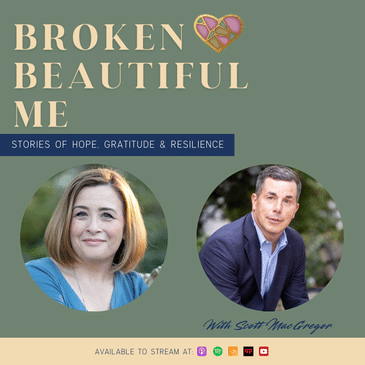
In this dynamic episode, we sit down with Scott MacGregor, Founder of The Outlier Project and Publisher & Editor-In-Chief of Outlier Magazine. With a background of incredible achievements, Scott is a four-time author of the celebrated Standing O! series and a record-breaking eight-time winner of the American Business Award for Innovation.
Scott brings his wealth of experience in leadership and innovation to discuss the powerful intersection of relationships and resilience. As a leader who has consistently pushed the boundaries of business and personal growth, Scott shares practical insights on how to cultivate an "Outlier Edge" in life and work. His philosophy emphasizes the importance of meaningful connections and a resilient mindset in achieving both personal and professional success.
Join us as Scott MacGregor explores:
- The Outlier Edge: How to stand out and excel by building deep, meaningful relationships.
- Resilience in Action: Lessons from an award-winning leader on bouncing back stronger from setbacks.
- The Role of Innovation: Insights on staying ahead in a rapidly evolving business landscape.
- Standing O! Series: What inspired Scott to author four books celebrating stories of gratitude and excellence.
- The Power of Community: Why Scott founded The Outlier Project and how it helps individuals unleash their potential.
Connect with Scott MacGregor:
- LinkedIn: Scott MacGregor
- Website: The Outlier Project
Scott MacGregor's journey is a testament to the power of building relationships and embracing resilience. Tune in for inspiration on how to become an outlier in your own life and discover actionable strategies to elevate your career, network, and mindset. Whether you're a business leader, entrepreneur, or anyone seeking to make an impact, this episode is packed with insights to fuel your growth!
------------------
Follow the Host, Kelly Buckley:
Stay connected with Kelly Buckley and join her journey of healing, resilience, and gratitude. Follow her on social media for more inspiring content, updates on future episodes, and insights on living a life full of hope and purpose.
- Website: kellybuckley.com
- Facebook: Kelly Buckley on Facebook
- Instagram: @KellyBuckleyOfficial
- LinkedIn: Kelly Buckley on LinkedIn
- Twitter: @KellyBuckley
- YouTube: Kelly Buckley on YouTube
If you enjoyed this episode, don't forget to subscribe to the podcast, share it with your friends and family, and leave a review. Your support helps spread the message of hope, resilience, and gratitude to more listeners around the world.
00:00:01
Hello, everyone,
00:00:02
and welcome to another
00:00:03
episode of Broken Beautiful Me,
00:00:05
Stories of Hope,
00:00:07
Gratitude and Resilience.
00:00:08
I'm your host, Kelly Buckley.
00:00:10
And today I am so honored to
00:00:12
have as our guest, Scott McGregor.
00:00:15
He is the founder and CEO of
00:00:17
Something New LLC,
00:00:19
the founder of the Outlier Project,
00:00:22
publisher and editor in
00:00:23
chief of Outlier Magazine.
00:00:25
four times author of Standing O Series,
00:00:29
and a record eight-time
00:00:30
winner of American Business
00:00:32
Award for Innovation.
00:00:34
Something New LLC is one of
00:00:35
the fastest growing talent
00:00:37
strategy companies in the country.
00:00:39
Beyond finding clients exceptional talent,
00:00:42
Something New's advisory services,
00:00:44
Something New Labs,
00:00:46
save companies millions of
00:00:48
dollars by teaching and providing
00:00:50
proprietary tools centered
00:00:52
on the three pillars of an
00:00:53
effective people strategy
00:00:55
talent acquisition
00:00:57
onboarding and retention
00:00:59
mcgregor's belief that good
00:01:01
companies do good things
00:01:02
led him to establish
00:01:03
something good the social
00:01:05
mission component of
00:01:07
something new welcome scott
00:01:10
it's so nice to have you here
00:01:13
Kelly,
00:01:13
it is an absolute honor and I love
00:01:17
what you're doing, um,
00:01:18
through your podcast and
00:01:20
through all the other work
00:01:21
that you're doing.
00:01:22
So, uh, it's an absolute honor.
00:01:24
Thank you.
00:01:26
Thank you.
00:01:27
So for our audience who, who may not know,
00:01:30
um, about you and your work,
00:01:32
can you share the story
00:01:34
behind you founding something new?
00:01:36
So what,
00:01:37
what led you and inspired you to
00:01:39
start the company?
00:01:42
Sure.
00:01:43
I was a chief revenue
00:01:44
officer for a company that
00:01:46
I had helped grow from
00:01:47
about five employees to three hundred.
00:01:50
And during substantial growth,
00:01:54
I was drinking from a fire
00:01:55
hose every day and trying
00:01:57
to figure out things that I
00:01:58
could outsource.
00:02:00
talent acquisition seemed
00:02:02
like a logical thing to outsource.
00:02:04
We were growing very quickly,
00:02:06
so every headhunter out
00:02:08
there was calling and
00:02:10
promising that they could
00:02:12
deliver great talent to us.
00:02:14
And over the course of seventeen years,
00:02:17
I realized that the
00:02:20
recruiting industry headhunters.
00:02:23
It was a very antiquated,
00:02:24
very broken industry.
00:02:29
And I knew I could build a
00:02:30
better mousetrap.
00:02:31
And I knew that at the end of the day,
00:02:34
people are the most
00:02:35
important asset that a company has.
00:02:39
um so uh that's how
00:02:41
something new came about it
00:02:43
was just to solve the
00:02:44
problems that I was running
00:02:46
into every day uh and you
00:02:49
know we're incredibly
00:02:50
blessed eight straight
00:02:51
american business awards
00:02:52
for innovation so we really
00:02:54
have built something that
00:02:56
is very very unique um and
00:03:00
then subsequently have built
00:03:02
a very large community,
00:03:03
the Outlier Project,
00:03:04
and have built a magazine,
00:03:07
Outlier Magazine,
00:03:08
that's just been a blast.
00:03:11
That's so wonderful.
00:03:13
So when I was looking at something new,
00:03:16
it's very clear in
00:03:18
everything on the website
00:03:20
that your approach is
00:03:21
people over everything,
00:03:22
that people are so important.
00:03:24
And I agree with that a hundred percent.
00:03:26
So do you think
00:03:28
leaders are realizing now
00:03:31
the importance of a healthy,
00:03:32
happy workplace and kind of
00:03:33
shifting towards a new way
00:03:37
of looking at building and
00:03:39
growing a productive team?
00:03:44
Yes, but I would say painfully slow,
00:03:48
painfully slow.
00:03:51
It's very, very interesting.
00:03:52
So
00:03:54
In something new,
00:03:55
we deal with hyper-growth startups.
00:03:58
So we're dealing with founders and CEOs.
00:04:00
And I typically ask them three questions.
00:04:04
And the first question is,
00:04:05
what's your biggest expense?
00:04:07
And a hundred percent of the
00:04:09
time they tell me labor people.
00:04:12
I say, okay,
00:04:12
so your number one expense is people.
00:04:15
Every company on planet
00:04:16
earth wants to get to the next level.
00:04:18
And the next level could mean
00:04:21
a milestone revenue number.
00:04:23
It could mean an acquisition.
00:04:25
It could mean a lot of different things,
00:04:26
but every company wants to
00:04:28
get to a next level.
00:04:29
So the next question is,
00:04:30
what do you need to do to
00:04:31
get to that next level?
00:04:34
Most of the time, not all the time,
00:04:36
but most of the time,
00:04:37
the answer that I get has
00:04:38
something to do with people.
00:04:41
Say, okay, your biggest expense is people.
00:04:45
the thing that you need to
00:04:47
do to get to the next level
00:04:49
has to do with people.
00:04:50
The next question is where
00:04:51
the wheels come off, because when I say,
00:04:56
how often do you and your
00:04:58
executive leadership team
00:04:59
sit down and talk
00:05:01
intentionally about your people strategy?
00:05:06
The answer is not very often.
00:05:09
So there's a massive disconnect of,
00:05:14
leaders that understand it's
00:05:17
their biggest expense they
00:05:19
understand it's what it
00:05:20
will take them to the next
00:05:22
level but they don't really
00:05:24
put a lot in place
00:05:29
to make that the central
00:05:31
theme of their company.
00:05:33
At the end of the day,
00:05:35
your company will succeed or fail,
00:05:38
or the extent that it will
00:05:40
succeed or fail is
00:05:42
predicated on your people
00:05:45
to a giant factor over your
00:05:49
go-to-market strategy or
00:05:51
anything else that you
00:05:52
could be working on.
00:05:55
If you audited most founder
00:05:57
and CEOs calendars,
00:05:59
you would find that they
00:06:00
spend most of their time in
00:06:01
meetings talking about
00:06:03
things that have nothing to
00:06:04
do with their people strategy,
00:06:06
even though it's the most
00:06:07
important thing you have to do.
00:06:08
So long winded way to say,
00:06:11
I think we're making a
00:06:12
little bit of progress,
00:06:15
but we have a long, long way to go.
00:06:18
Hmm.
00:06:19
Do you think,
00:06:20
and what role has COVID played in that?
00:06:24
What have you seen post COVID?
00:06:26
Well, I mean, COVID is still here,
00:06:27
but like post shutdown, um,
00:06:31
in terms of businesses, do you think that,
00:06:34
um,
00:06:34
that that is giving leaders an
00:06:37
opportunity to make that shift because,
00:06:39
you know, everybody was remote.
00:06:41
Now some people are remote.
00:06:42
Some people are in person.
00:06:44
Um,
00:06:44
um what's your thoughts on
00:06:47
the landscape of business
00:06:49
since you know I think it's
00:06:52
covet has forced people uh
00:06:54
into some uncomfortable
00:06:56
things that they normally
00:06:58
they wouldn't not have done
00:07:00
were it not for covid and
00:07:02
remote is probably the most
00:07:04
prominent that they've had
00:07:06
to provide flexibility and
00:07:08
trust in their workforce
00:07:11
for me it's a little bit
00:07:12
different so twenty seven
00:07:14
years ago uh I set up a
00:07:17
forty person national
00:07:19
account manager team that
00:07:21
was fully remote twenty
00:07:22
seven years ago people act
00:07:26
as if working remote is
00:07:27
this brand new fangled
00:07:29
thing uh it's something I
00:07:31
did almost thirty years ago
00:07:33
uh you have to
00:07:36
think about it differently,
00:07:37
but it was a game changer
00:07:39
for us back in the day.
00:07:41
It allowed us to grow exponentially.
00:07:45
So I do think, you know,
00:07:47
COVID gave a lot of people
00:07:50
The will force them into a
00:07:52
situation where they had to
00:07:54
provide a lot more flexibility,
00:07:56
had to think about work life balance,
00:07:58
had to think about things
00:07:59
that maybe they weren't
00:08:00
thinking about before.
00:08:01
And I think it also made
00:08:03
employees think differently
00:08:05
about their work.
00:08:07
We're now starting to see a
00:08:11
shift back with Amazon just
00:08:13
announcing that workers
00:08:15
need to come back into the
00:08:17
office five days a week.
00:08:22
Anytime the pendulum swings to an extreme,
00:08:25
it's probably not good.
00:08:27
The balance is always
00:08:28
somewhere in the middle and
00:08:30
we need to come to that
00:08:31
equilibrium where everybody wins.
00:08:35
So it's a very interesting time.
00:08:37
Hmm, it is.
00:08:39
That's it's so funny that
00:08:40
you say that that was
00:08:41
something my father always
00:08:43
used to say to me that the
00:08:44
that the world is not black
00:08:45
and white Kelly's solutions
00:08:47
are not black and white.
00:08:48
The solution is always right
00:08:50
in the middle.
00:08:52
And it takes collaboration
00:08:53
both from the leader and
00:08:56
the employee it takes and it takes trust.
00:08:59
So what what does a healthy
00:09:01
workplace look like?
00:09:05
You just nailed it.
00:09:07
Trust.
00:09:09
You have to trust your people,
00:09:11
but you have to hire trustworthy people.
00:09:16
You have to really
00:09:17
understand how to hire top talent.
00:09:24
You have to,
00:09:25
there's so many things that
00:09:27
companies have no idea.
00:09:29
I would say,
00:09:30
ninety percent of people that
00:09:32
are interviewing and making
00:09:33
decisions on who to hire
00:09:35
are wildly unqualified to do it.
00:09:38
It's like a doctor that
00:09:41
never went to med school.
00:09:43
You would never go to a
00:09:44
doctor that didn't go to
00:09:45
med school and say,
00:09:47
diagnose me and put me on a
00:09:51
track to get healthy.
00:09:53
But yet companies-
00:09:55
consistently have people
00:09:57
that are wildly unqualified
00:10:00
to evaluate talent, evaluate talent.
00:10:06
Kelly, that's crazy,
00:10:07
but that's the world we live in.
00:10:12
Most leaders became leaders
00:10:16
Sometimes out of default, they just,
00:10:18
you know, matured into this role.
00:10:21
But do they know how to interview people?
00:10:24
Do they use scorecarding?
00:10:26
Do they really understand
00:10:30
what's truly valuable?
00:10:32
It's very interesting when I
00:10:34
talk to people about what
00:10:36
are you looking for in finance?
00:10:39
this employee whether it's a
00:10:41
chief revenue officer a
00:10:43
chief marketing officer a
00:10:45
individual contributor
00:10:46
whatever the case may be I
00:10:48
often hear things that are
00:10:50
very measurable industry
00:10:53
experience years of
00:10:55
experience uh education things like that
00:10:59
things that at the end of
00:11:00
the day are kind of
00:11:01
meaningless if you stack
00:11:02
them up against the things
00:11:04
that really make a great
00:11:05
employee work ethic
00:11:07
discipline resiliency
00:11:09
empathy but how do you
00:11:13
measure all of those things
00:11:16
most people that are interviewing folks
00:11:19
They're not even vetting for those things.
00:11:22
But at the end of the day,
00:11:23
those are the things that
00:11:24
will make a great employee,
00:11:26
or if you don't have them,
00:11:28
an employee that is really
00:11:31
not gonna be a great fit
00:11:32
for your company.
00:11:35
I know I,
00:11:38
when I first started in
00:11:39
management and was interviewing people,
00:11:42
I always kind of tried to
00:11:44
trust my gut in terms of
00:11:47
their intuitively,
00:11:49
their emotional
00:11:50
intelligence and what I thought, you know,
00:11:52
cause I always, you know, in healthcare,
00:11:54
obviously you have to have
00:11:55
training that is very
00:11:56
specific to your role, but I,
00:12:00
I also felt like, um, that,
00:12:03
that personality of a
00:12:04
person that I was hiring
00:12:06
for like a leadership
00:12:06
person for the front lines,
00:12:09
that it was so important
00:12:10
that they be empathetic
00:12:12
because of what nurses feel
00:12:15
every day in certain in,
00:12:17
in what they deal with.
00:12:19
Um, but that is not always the case.
00:12:21
I would agree.
00:12:22
Um,
00:12:24
I want to shift now to talk
00:12:26
still on the work topic, but you know,
00:12:28
a great deal of my work is
00:12:30
with the bereaved.
00:12:31
And I find that, you know,
00:12:35
that three day bereavement leave,
00:12:37
that's a joke to me, right?
00:12:38
I just find that hilarious.
00:12:41
But I find we can put grief
00:12:43
in its compartment and we
00:12:45
feel like we need to keep it there.
00:12:48
And when we enter into the
00:12:50
workplace environment,
00:12:52
we're supposed to keep that in at home.
00:12:56
That's not realistic, right?
00:12:58
It's, you know,
00:12:58
grief bleeds into every
00:13:00
area of your life.
00:13:02
So what do you say to both
00:13:06
the employee who's grieving
00:13:08
and the leader who's
00:13:09
managing that employee
00:13:12
about how they can work through that?
00:13:13
What practical advice can
00:13:16
you give them to work
00:13:18
through it and still be productive?
00:13:26
Part of it's just the golden rule.
00:13:28
It's how would you want to
00:13:29
be treated in that situation?
00:13:31
And to your point earlier,
00:13:33
this magical thinking that
00:13:35
when somebody walks through
00:13:37
the door of a business that
00:13:38
all of a sudden they're not a mom, a dad,
00:13:41
a grieving spouse or
00:13:44
whatever the case may be is just...
00:13:47
it's lunacy uh we walk in
00:13:51
with all of those things uh
00:13:53
we're just now in a
00:13:54
different environment and
00:13:57
you know you you just have
00:13:59
to recognize that that
00:14:00
human being is you know
00:14:03
they're going home to
00:14:06
kids and pets and all kinds
00:14:09
of other obligations that
00:14:11
have nothing to do with work, but the,
00:14:13
you know, we,
00:14:13
we have to deal with the whole human.
00:14:16
Um,
00:14:18
and I think so many people just don't
00:14:20
think of that.
00:14:21
They just think of what's
00:14:23
the task at hand.
00:14:25
What do we need to do from a
00:14:26
business perspective?
00:14:28
But when you start to really, uh,
00:14:32
think about people as a
00:14:33
human being and people that
00:14:35
have all kinds of struggles
00:14:40
and challenges that they
00:14:41
have to deal with outside of the office.
00:14:44
It just changes the dynamics.
00:14:46
Some of it is just having
00:14:47
conversations about those
00:14:48
challenges that may seem to
00:14:51
have nothing to do with work,
00:14:53
but I think they kind of
00:14:54
have everything to do with
00:14:55
the way that people show up at work.
00:14:58
Absolutely.
00:15:01
What about you?
00:15:02
Have you, at a time in your life,
00:15:06
facing adversity and
00:15:08
managing that with both
00:15:10
your personal and professional life?
00:15:13
Does that play into the work
00:15:17
that you do now,
00:15:18
the lessons that you
00:15:19
learned from tough times in
00:15:21
your own life?
00:15:22
Oh, yeah.
00:15:24
A hundred percent.
00:15:25
I grew up very poor.
00:15:27
So I grew up poor in an affluent town.
00:15:30
So I stuck out like a sore thumb.
00:15:33
That definitely shaped me to a degree.
00:15:38
I had, you know, a family that was very,
00:15:41
very dysfunctional in certain ways,
00:15:45
you know,
00:15:47
without going into excruciating detail,
00:15:50
that was a challenge to move through.
00:15:55
I've had two sons that had
00:15:57
drug issues and one who's
00:16:02
battled back from heroin
00:16:04
addiction and been homeless and in jail.
00:16:09
all kinds of adversities.
00:16:10
When I was forty years old,
00:16:12
I was diagnosed with
00:16:14
something called Brugada syndrome,
00:16:16
which is also known as
00:16:17
sudden unexpected death syndrome,
00:16:20
which is not exactly
00:16:22
something that you want to
00:16:24
hear that you have.
00:16:25
So the there is no cure and
00:16:27
there are no symptoms.
00:16:28
So the only thing you can do is
00:16:30
Have a defibrillator and
00:16:31
planted in your chest with
00:16:33
wires to your heart.
00:16:34
So at forty years old,
00:16:36
somebody who is a. You know,
00:16:38
college athlete and was an
00:16:41
athlete my whole life and very,
00:16:42
very healthy.
00:16:43
You know, that's what I had to do and.
00:16:46
You know, so I've lived fifty six now,
00:16:49
so I've lived the last
00:16:50
sixteen years knowing that
00:16:51
I have this condition that.
00:16:54
without warning,
00:16:56
the only symptom is you die.
00:17:00
So I live with that every single day,
00:17:01
but I don't dwell on it.
00:17:05
And I've come to realize
00:17:07
adversity is a gift.
00:17:11
And it doesn't mean that I
00:17:12
wish that any of these things happened,
00:17:16
but adversity is truly a gift.
00:17:18
And in the outlier project,
00:17:20
we just yesterday,
00:17:22
had a gentleman on his
00:17:24
name's Austin Hatch and
00:17:26
Austin was a basketball
00:17:27
player at the University of
00:17:28
Michigan and was in two
00:17:31
different plane crashes.
00:17:33
The first plane crash,
00:17:35
he lost his mother and he
00:17:37
lost his sister.
00:17:39
uh in the second plane crash
00:17:41
he lost his father his
00:17:43
stepmother and uh another
00:17:46
sibling and he was in a
00:17:49
coma for two and a half
00:17:50
months um so it's just an
00:17:54
example but when you when
00:17:56
you get to know austin uh
00:17:59
who you should definitely
00:18:00
have on your podcast um
00:18:03
He's the most resilient, most upbeat,
00:18:08
most grateful person,
00:18:10
despite the fact that he's
00:18:13
lost his entire family,
00:18:15
almost lost his own life,
00:18:17
but still looks through the
00:18:21
lens of gratitude every single day.
00:18:23
Oh my gosh.
00:18:29
I mean, your story and his story,
00:18:31
I'm just listening to them.
00:18:33
And that is the very reason
00:18:34
that I am here with you
00:18:36
today is to share stories
00:18:39
and show people that there
00:18:40
is a way through and there
00:18:43
is a way back to the light,
00:18:44
no matter what has happened.
00:18:47
I really appreciate your
00:18:48
honesty about your struggles.
00:18:53
And I know that we talked
00:18:54
before the recording about loss as well.
00:18:59
Um,
00:18:59
it does give you a very different
00:19:02
perspective.
00:19:03
And, uh, I recently chatted with, uh,
00:19:06
Dr. Even Alexander and he
00:19:09
called that the gifts of desperation.
00:19:11
And I thought that that was
00:19:12
just a great way to put it
00:19:13
because I too felt that, you know,
00:19:17
completely broken and, you know,
00:19:20
it was a good day if I could go to the
00:19:24
appreciating life every day
00:19:26
and seeing the things that
00:19:28
I did not notice before.
00:19:30
And that, that happens when you,
00:19:33
when you are taken down to
00:19:35
your core and you have to crawl back,
00:19:38
that's what you, you know,
00:19:39
you really see.
00:19:41
So let's, I want to tell you,
00:19:43
I want you to tell me more
00:19:44
and tell our audience more
00:19:45
about the outlier project,
00:19:47
because this is so
00:19:49
beautiful and I just want
00:19:51
everybody to know about it.
00:19:52
So tell me more.
00:19:54
Yeah, I grew up, as I said,
00:19:57
I grew up poor in a very affluent town.
00:20:00
I was a super curious kid.
00:20:04
I knew from a very early age
00:20:06
that I thought differently
00:20:08
from everybody else.
00:20:09
I just thought differently.
00:20:12
But when you're a kid, you think.
00:20:15
when you realize that you
00:20:16
think differently,
00:20:17
you just think you're weird.
00:20:19
You're like,
00:20:21
I don't see things the same
00:20:23
way other people see things.
00:20:26
And so I think I was an
00:20:27
outlier from birth.
00:20:31
Flash forward into kind of
00:20:34
my professional life.
00:20:37
I was always a contrarian.
00:20:40
So when the Thundering Herd was going left,
00:20:42
I intuitively wanted to go right.
00:20:44
I just never wanted to go
00:20:47
with the Thundering Herd.
00:20:48
So in that contrarian mindset,
00:20:54
I was hitting levels of
00:20:57
success that others were not.
00:21:01
And I realized very quickly
00:21:04
that the secret to success
00:21:08
is taking the road less traveled.
00:21:13
But people intuitively,
00:21:15
they think safety in numbers.
00:21:18
If everyone's doing this,
00:21:19
this is the way I'm going to do it.
00:21:21
I realized in order to be
00:21:23
successful in business,
00:21:24
you have to show up differently.
00:21:26
Like if you want a successful podcast,
00:21:29
you better have a podcast
00:21:30
that's different from everybody else's.
00:21:32
If you want to have success in business,
00:21:35
you have to show up differently.
00:21:37
Otherwise you're vanilla.
00:21:38
You're like everybody else.
00:21:40
You don't stand out.
00:21:42
And I realized that there
00:21:44
were a lot of people that
00:21:46
felt the same way.
00:21:47
They felt maybe
00:21:48
misunderstood at points in their lives.
00:21:51
They felt like outliers.
00:21:52
They thought a little bit differently.
00:21:55
And I thought,
00:21:56
what if we could create a space for them?
00:21:58
And then, you know, another, I guess,
00:22:01
unique component of there's
00:22:03
not a lot of unique things about me,
00:22:05
but my friend group is very unique.
00:22:07
So I have...
00:22:11
I'm a collector of unique friends.
00:22:14
So my friends are gold medal
00:22:16
Olympians and New York
00:22:18
Times bestsellers and Navy
00:22:19
SEALs and CEOs of billion
00:22:22
dollar companies and just
00:22:24
the most amazing people on the planet.
00:22:27
And I thought,
00:22:28
wouldn't it be cool if I
00:22:30
could give people access to
00:22:32
the same people that if I'm
00:22:33
having a personal or
00:22:34
professional problem,
00:22:37
The level of people that I
00:22:38
can call on the phone and say, hey, coach,
00:22:42
or hey, whoever,
00:22:44
here's what I'm dealing with.
00:22:45
What would you do?
00:22:46
And I can get this
00:22:47
incredible sage advice from them.
00:22:49
I thought, boy,
00:22:50
wouldn't it be cool if I
00:22:51
could give people that same opportunity?
00:22:53
And that's what we've done
00:22:56
through the Outlier Project
00:22:57
is we've given people
00:22:59
access to folks that they
00:23:01
would never have access to.
00:23:03
You know,
00:23:04
Super Bowl winning coaches like
00:23:06
Coach Dick Vermeule,
00:23:07
the founder of Reebok, Joe Foster,
00:23:11
the founder of North Face, Hap Claw, or,
00:23:15
you know,
00:23:16
Olympic gold medalists like
00:23:17
Brandi Chastain or any of
00:23:19
these amazing people that
00:23:20
most people just would
00:23:21
never have access to.
00:23:22
We give people access to all of them.
00:23:25
So it's a
00:23:26
It's the most professional
00:23:27
fun I've ever had my entire life.
00:23:29
We have seven hundred and
00:23:30
fifty members in thirty
00:23:32
five countries and growing like a weed.
00:23:37
So it's it's just absolute joy.
00:23:40
That is amazing.
00:23:42
It sounds like such a place
00:23:46
of creativity and innovation.
00:23:48
And I mean,
00:23:49
what a spot to go if you are
00:23:51
looking to to learn, you know,
00:23:55
on your own journey.
00:23:57
Yeah.
00:23:57
In a very untraditional setting,
00:24:00
like today we have a
00:24:01
futurist who's one of our
00:24:03
top advisors coming on.
00:24:05
So we have a futurist kind of in residence,
00:24:07
Alaysia Abate,
00:24:09
who's one of the top
00:24:09
futurists in the country.
00:24:12
And she's going to come on and talk about,
00:24:14
you know, what we should be looking at,
00:24:16
the trends that are coming,
00:24:18
because so often we look in
00:24:19
the rearview mirror as
00:24:20
opposed to looking at what's coming.
00:24:24
So just a ton of like really
00:24:26
interesting people that we
00:24:27
get to interact and learn from,
00:24:30
but very untraditional.
00:24:32
It's a very untraditional community,
00:24:34
but you would expect that, I think,
00:24:35
from the outlier project.
00:24:38
Well, and I think untraditional is good.
00:24:41
I think that we need to be
00:24:44
looking at new ways of
00:24:46
learning and new ways of
00:24:47
approaching business.
00:24:48
I think that we're at kind
00:24:50
of a turning point for a
00:24:51
lot of things in this world right now.
00:24:55
So different is good.
00:24:59
let's move into something
00:25:00
good because this is
00:25:01
something I also was
00:25:03
looking at and just so
00:25:04
impressed with you and your work.
00:25:07
So something good is about
00:25:08
creating a positive impact, right?
00:25:10
So you've integrated that
00:25:11
kindness component.
00:25:13
So tell people what something good is and,
00:25:18
and maybe give us an
00:25:19
example of some of the more
00:25:20
meaningful projects that
00:25:22
you've worked on.
00:25:23
Sure.
00:25:24
So in each business that I've established,
00:25:28
giving back is incredibly
00:25:30
important to me.
00:25:31
So in something new,
00:25:33
we have a component called
00:25:35
something good.
00:25:36
And in the outlier project,
00:25:37
we have something called top cares.
00:25:39
Essentially,
00:25:40
these are the components where
00:25:42
we give back and we give
00:25:45
back in some very unique
00:25:47
ways and we give back in
00:25:48
some very traditional ways.
00:25:52
But it started really at something new.
00:25:56
Giving back was one of the
00:25:58
main reasons why I started the company.
00:26:01
But I knew I had a problem right away.
00:26:04
I knew I was going to
00:26:05
bootstrap the company.
00:26:07
So I am an unabashed control freak.
00:26:12
So I did not want to take
00:26:14
outside funding because I
00:26:15
don't want anybody to tell me what to do.
00:26:19
So I knew I was going to
00:26:20
bootstrap the company.
00:26:21
So the problem was I'm
00:26:24
putting all the money that
00:26:25
I'm making back into the
00:26:27
company and which doesn't
00:26:30
leave me the opportunity to
00:26:32
write big checks to these
00:26:33
organizations that I think
00:26:35
are doing great work to change our world.
00:26:37
So I thought, oh boy,
00:26:38
what am I going to do?
00:26:41
And I realized that my
00:26:42
assets were not in my bank account,
00:26:45
but my assets were my relationships.
00:26:48
So I asked fifty two of my
00:26:51
friends if they would write
00:26:54
a chapter of gratitude for
00:26:56
a life lesson learned.
00:26:58
And I would put it in a book
00:26:59
called Standing O,
00:27:01
and I would give a hundred
00:27:02
percent of the proceeds to charity.
00:27:05
So Dick Vermeule,
00:27:06
who won a Super Bowl with
00:27:07
the Rams and is in the
00:27:09
Football Hall of Fame,
00:27:10
wrote the foreword.
00:27:12
Tiki Barber,
00:27:13
who is an all-time great
00:27:14
running back for the New York Giants,
00:27:16
wrote the cover quote.
00:27:18
And then fifty-two amazing
00:27:20
people like the Jesse
00:27:21
Itzlers of the world who
00:27:23
you know,
00:27:23
sold his NetJets company to
00:27:26
Warren Buffett and sold
00:27:28
Zico water to Coca-Cola and
00:27:31
married Sarah Blakely,
00:27:32
the founder of Spanx,
00:27:34
wrote chapters of gratitude
00:27:36
and we gave all the money to charity.
00:27:39
And I said, boy, that that worked well.
00:27:42
So let's do it again.
00:27:44
So I wrote a book called
00:27:45
Standing O Encore and then
00:27:48
wrote a book called Standing O Salute,
00:27:49
which is for the military.
00:27:52
Both of my boys served in the military.
00:27:54
So I have a big affinity there.
00:27:56
for the military and then
00:27:57
wrote a book called
00:27:58
standing out tribute all
00:28:00
life lessons of gratitude
00:28:03
um and then uh our fifth
00:28:05
book comes out hopefully
00:28:07
this year so it's just been
00:28:09
a fun interesting way to
00:28:11
give back probably an
00:28:13
outlier-ish way to give
00:28:15
back uh trying to figure
00:28:17
out how do I leverage
00:28:19
these friendships of people that have,
00:28:22
you know, collectively, you know,
00:28:25
probably a hundred million
00:28:27
social media followers
00:28:28
across the four books.
00:28:30
That shines a very big
00:28:32
spotlight on these organizations.
00:28:34
And then we're able to give
00:28:35
all the proceeds to charity,
00:28:36
but also give them recognition and,
00:28:40
you know,
00:28:42
It's just such a fun thing to do.
00:28:45
Yeah.
00:28:46
And I mean,
00:28:46
the written word and stories of
00:28:49
gratitude from people
00:28:51
who've just had incredible
00:28:53
careers and lives,
00:28:55
that continues to ripple, right?
00:28:57
When you put out a book,
00:28:59
it just continues to ripple
00:29:00
out over the years as more
00:29:02
people have access to it
00:29:04
and gain that information.
00:29:05
That's such a great way to give back.
00:29:10
Yeah.
00:29:11
Gratitude, speaking of,
00:29:13
is kind of the core theme of my podcast.
00:29:16
How has practicing gratitude
00:29:18
played a role in your
00:29:20
professional and your personal life?
00:29:25
It's just how I think every day.
00:29:28
Gratitude is just such an
00:29:32
ingrained... So I think...
00:29:36
because I've faced a
00:29:37
tremendous amount of adversity in my life,
00:29:40
you know, you have a choice.
00:29:41
You can be a victim, which is very,
00:29:43
very seductive because
00:29:45
being a victim means that
00:29:47
you don't have to take responsibility.
00:29:50
You don't have to be held
00:29:50
accountable because you can say, you know,
00:29:54
well, my life is not good.
00:29:56
what I want it to be,
00:29:57
but that's because I have a
00:29:58
bad boss or I work for a
00:30:00
terrible company or, you know,
00:30:02
I had this health issue or
00:30:04
whatever the case may be.
00:30:06
If you decide you're not
00:30:07
going to have a victim's mentality,
00:30:09
you have to take personal
00:30:11
responsibility and you have
00:30:12
to realize that your life
00:30:15
is your life because of the
00:30:16
choices that you've decided to make.
00:30:20
And I just I look at everything.
00:30:24
You know,
00:30:24
I was talking to Austin about this.
00:30:28
No matter what has happened in my life,
00:30:31
when we didn't know where
00:30:33
my son was and we knew that, you know,
00:30:36
he was somewhere and he was.
00:30:39
you know,
00:30:40
very likely using heroin and homeless,
00:30:46
you know, that's a pretty low point.
00:30:47
But in all of those low moments,
00:30:51
I've always thought if I
00:30:52
look behind me at the line
00:30:54
of people that would take
00:30:56
my place in a nanosecond,
00:30:59
That line would be so long I
00:31:01
would never see the end of it.
00:31:02
So when you focus on that, you realize,
00:31:07
boy,
00:31:07
how lucky am I to live the life that
00:31:11
I'm living.
00:31:13
And so I just live life with
00:31:16
a tremendous amount of gratitude.
00:31:18
I'm just so grateful for all
00:31:20
the wonderful things that happened to me,
00:31:23
which include the ability to, you know,
00:31:26
tell my story on your podcast,
00:31:30
which hopefully will have a
00:31:32
ripple effect and will, you know,
00:31:34
help one person to deal
00:31:36
with whatever it is that
00:31:37
they're dealing with in life.
00:31:39
Um,
00:31:40
You know, so gratitude is everything.
00:31:45
If you focus on gratitude,
00:31:47
it's hard to have a bad day.
00:31:48
It really is.
00:31:51
even in those moments of struggle.
00:31:55
And I think that the lesson
00:31:58
of gratitude deepens in
00:32:00
times of struggle because
00:32:03
when I look at a gratitude
00:32:05
journal before my son died,
00:32:07
because I've always kind of
00:32:09
journaled and tried to live
00:32:11
a positive life,
00:32:13
I found it to be very
00:32:14
shallow when I looked back over it.
00:32:17
When my son died, it changed.
00:32:20
It shifted completely.
00:32:22
And I started looking at
00:32:23
gratitude in a different light.
00:32:25
I started looking at it as a
00:32:27
way to tether me to the present moment.
00:32:30
And so I wasn't thinking
00:32:31
about the regret of the
00:32:32
past or all the hurt.
00:32:35
And I wasn't thinking about
00:32:37
the worry of the future and
00:32:38
what was going to happen.
00:32:40
I was right here right now and I was okay.
00:32:43
So it deepens that
00:32:46
expression of thankfulness.
00:32:47
And when you look around,
00:32:50
you're not thankful for
00:32:51
anything materialistic.
00:32:52
I mean, however fortunate,
00:32:54
and I feel very thankful
00:32:55
for the life that I have as well,
00:32:58
But I'm grateful for the love of my son.
00:33:02
I'm grateful for, you know,
00:33:04
my younger son is living in
00:33:06
the UK now and just living life out loud.
00:33:10
And I'm so happy for him.
00:33:13
But it's not,
00:33:14
there's nothing materialistic
00:33:15
about any of it once you
00:33:17
get to that deep level, is there?
00:33:20
To me, there's not.
00:33:21
I mean,
00:33:22
I'm bound and determined not to
00:33:24
sleepwalk through life.
00:33:26
I want to live an extraordinary life.
00:33:28
And my version of an
00:33:30
extraordinary life is a
00:33:31
life of impact because I'm
00:33:34
fully convinced that at the
00:33:35
end of the day,
00:33:37
no one's really going to
00:33:38
care about the businesses
00:33:40
that I've built and they're
00:33:41
not going to care about the
00:33:42
books I've written and
00:33:43
they're not going to care
00:33:43
about the house I live in
00:33:45
or the car I drive.
00:33:46
They're going to care about the impact.
00:33:49
that I made and the
00:33:52
businesses that I've built
00:33:54
have allowed me to have an
00:33:56
impact with being on a podcast like this.
00:34:00
It's all about impact.
00:34:01
The material things really
00:34:04
don't mean anything.
00:34:06
It's all how can we make
00:34:09
somebody's life better?
00:34:12
How can we impart a positive
00:34:16
mindset so that people are
00:34:18
living their version of an
00:34:20
extraordinary life?
00:34:21
I mean, that to me is what it's all about.
00:34:25
I couldn't agree more.
00:34:26
So how do you balance the demands of you?
00:34:29
You have multiple ventures going on.
00:34:32
So how do you balance it all
00:34:34
and still stay true to your mission?
00:34:40
It's all the same.
00:34:43
Those things,
00:34:45
those platforms give me the
00:34:47
opportunity to,
00:34:50
to have an impact so outlier
00:34:54
magazine is a platform for
00:34:57
me to celebrate outliers
00:35:00
and that's a platform to
00:35:02
inspire people the outlier
00:35:05
project with seven hundred
00:35:07
and something members uh
00:35:10
is a platform that allows me
00:35:14
to have an impact.
00:35:16
Something new is a platform
00:35:19
that allows me to have an impact.
00:35:21
So I see it as kind of all integrated.
00:35:25
I don't really separate like
00:35:28
my life is my life and my life is,
00:35:30
you know, my wife, my kids, my business,
00:35:36
my businesses,
00:35:37
the things that I spend my time doing.
00:35:40
I don't pull them apart.
00:35:42
I do the things that I want
00:35:44
to do that make me happy,
00:35:45
that bring me joy.
00:35:47
And and those are almost
00:35:50
always things that I think
00:35:53
will leave a positive
00:35:54
impact on the world because
00:35:56
that's the legacy I want to leave.
00:35:59
Absolutely.
00:36:00
So what are your hopes and
00:36:02
dreams for the future of something new,
00:36:05
the outlier project and something good?
00:36:07
So where do you want to see this?
00:36:08
What's your vision?
00:36:12
Yes,
00:36:12
something new is a company that's kind
00:36:16
of on autopilot.
00:36:18
The vast majority of my
00:36:20
attention is on the outlier project.
00:36:23
The outlier project
00:36:25
is extremely scalable and
00:36:27
I've built businesses
00:36:28
before to very large
00:36:31
numbers of employees.
00:36:33
To be perfectly honest,
00:36:35
I don't want to do that ever again.
00:36:37
That's not interesting to me.
00:36:40
But building a community
00:36:43
is very very scalable and I
00:36:45
just really feel like the
00:36:47
impact that I can make is
00:36:51
far greater uh so I'm kind
00:36:54
of all chips in on the
00:36:55
outlier project um because
00:36:59
it just affords me the
00:37:01
opportunity to make an impact on
00:37:04
the most, the biggest amount of people.
00:37:08
So that's where I spend the
00:37:09
vast majority of my time.
00:37:11
I have an incredible team at
00:37:12
Something New that, you know,
00:37:16
does a great job.
00:37:17
They don't need a lot of my help.
00:37:19
And that's a
00:37:20
well-established business that
00:37:22
I've had for ten years.
00:37:25
So, yeah,
00:37:26
I'm focused a lot more on the
00:37:28
Outlier Project and Outlier
00:37:30
Magazine today.
00:37:33
That's that's beautiful
00:37:35
because it's you're focusing on, you know,
00:37:38
the people aspect.
00:37:39
I'm going to switch switched
00:37:41
up a little bit now because
00:37:42
I did read on your bio.
00:37:45
You have the cutest.
00:37:46
It's the greatest thing.
00:37:47
If people go to your Web
00:37:48
site because you have this
00:37:49
little thing that you tell
00:37:51
little things that I
00:37:51
wouldn't know about you.
00:37:55
So you said I'm pretty
00:37:57
awesome at Brady Bunch and sports trivia,
00:38:00
and I'm ready to take on any challengers.
00:38:02
OK, so you ready?
00:38:03
I'm ready.
00:38:04
All right.
00:38:06
What was the name of the
00:38:08
family dog in the Brady Bunch?
00:38:10
Tiger.
00:38:12
Here's a better one.
00:38:14
What was the name of the cat?
00:38:16
No one knows this.
00:38:19
I don't know this.
00:38:20
People don't even know they had a cat.
00:38:22
I can't remember a cat.
00:38:26
I don't know.
00:38:26
Pandora.
00:38:28
Pandora?
00:38:28
Pandora was the name.
00:38:31
And there's a scene where
00:38:33
they're calling Pandora, here Pandora,
00:38:36
here Pandora.
00:38:37
Anyway, I know my Brady Bunch trivia.
00:38:41
Okay.
00:38:43
Let's see.
00:38:44
So can you name the children?
00:38:48
I can.
00:38:49
Bobby, Cindy, Jan, you know, Greg, Peter.
00:38:57
I don't know who I'm missing.
00:38:58
Alice, obviously.
00:39:00
Marsha, Marsha, Marsha.
00:39:01
Yeah.
00:39:03
Such a great show, right?
00:39:04
Oh, so great.
00:39:05
Marsha, Marsha, Marsha.
00:39:09
And the other thing when I
00:39:10
was reading through this list,
00:39:12
so thank you.
00:39:13
You've proven your knowledge
00:39:15
with the Brady Bunch.
00:39:16
I appreciate you just like
00:39:18
on the fly doing that for me.
00:39:20
The other thing I want to point out,
00:39:23
I hung out with Barry Manilow in Vegas.
00:39:26
Pictures can be sent on request.
00:39:28
Okay, I'm requesting now.
00:39:30
I want a picture.
00:39:32
What was it like to hang out
00:39:34
with Barry Manilow?
00:39:35
Because I love his music.
00:39:37
so it was uh one o'clock in
00:39:40
the morning we're in the
00:39:42
paris uh hotel and I guess
00:39:46
he was performing there and
00:39:48
we were uh a group of us
00:39:51
were having a cocktail and
00:39:54
and just talking and I said
00:39:58
to the group I'm like I
00:40:00
think that's barry manilow
00:40:02
and they're like no
00:40:05
And so I went over and I
00:40:07
introduced myself and anyway,
00:40:09
he came over to the bar and
00:40:11
we hung out with him and just a great guy,
00:40:17
very,
00:40:17
very down to earth and a fun moment.
00:40:23
So I will be texting you a
00:40:25
picture of me with Barry
00:40:27
Manilow from whatever it was,
00:40:29
fifteen years ago.
00:40:32
I will watch for that picture.
00:40:35
What is one question you
00:40:37
wish I asked but didn't,
00:40:39
and how would you have answered?
00:40:46
That's a great question.
00:40:49
You asked a lot of great questions.
00:41:01
You know, I don't know.
00:41:04
I always feel like these opportunities,
00:41:08
because there's time constraints,
00:41:12
always don't give an
00:41:15
opportunity typically to
00:41:17
tell the full story,
00:41:20
which is most impactful.
00:41:25
And I feel like when I have
00:41:27
one-on-one conversations
00:41:29
that I can really help
00:41:30
somebody who maybe they
00:41:33
have a significant other,
00:41:36
could be a child or whoever
00:41:40
that's struggling with drug
00:41:41
addiction or anything like that,
00:41:45
or a health issue or anything.
00:41:49
When you really are able to
00:41:52
talk in depth about it,
00:41:55
I feel like that's really helpful.
00:41:57
So I love doing podcasts,
00:41:59
but it's just the time
00:42:02
constraints don't allow us
00:42:03
to go deep enough.
00:42:05
And I think that's where
00:42:07
there's tremendous impact.
00:42:09
So it's not necessarily a
00:42:11
question that wasn't asked.
00:42:13
It's just the inability to
00:42:15
really dive deep.
00:42:18
And I love the idea of the
00:42:22
outlier project is
00:42:24
something that does go a little deeper,
00:42:26
right?
00:42:26
Like you told me some
00:42:28
stories about the people
00:42:29
who are in the outlier
00:42:30
project and that there's no
00:42:33
time constraint on that,
00:42:34
which is beautiful.
00:42:37
no we have two hundred live
00:42:40
interactive virtual events
00:42:41
a year two hundred uh and
00:42:44
about fourteen in-person
00:42:47
meetups everything from a
00:42:48
humanity expedition in
00:42:50
nicaragua to a retreat to
00:42:54
you know we're going to the
00:42:55
head of the charles next
00:42:57
week uh the regatta in boston and then we
00:43:01
go to skate in Rockefeller
00:43:03
Center in December,
00:43:04
and then we go to the Army
00:43:05
Navy game together,
00:43:07
and we have a meetup in Miami coming up,
00:43:10
and all kinds of just really wonderful,
00:43:13
fun things where we can really,
00:43:16
really help uplift each other.
00:43:19
It's just, it's incredibly fun.
00:43:23
oh my gosh that sounds
00:43:25
amazing so in my global
00:43:28
gratitude group just one
00:43:30
little thing um I ask
00:43:32
people every day what their
00:43:33
one little thing that
00:43:34
they're grateful for and I
00:43:35
the reason I say one little
00:43:36
thing is because when I
00:43:37
started this um some days I
00:43:41
could only find one little
00:43:42
thing to be thankful for
00:43:44
So today, I mean,
00:43:47
I'm so thankful for this
00:43:49
incredible conversation and your honesty.
00:43:52
I'm thankful the sun is shining.
00:43:54
And I'm also thankful that
00:43:56
we have the ability to help
00:43:57
people who are suffering
00:43:58
right now because of
00:44:02
hurricanes and climate change.
00:44:05
So those are my things that
00:44:06
I'm thankful for today.
00:44:07
What are you thankful for?
00:44:12
I'm always most thankful
00:44:14
probably for my wife is
00:44:17
unbelievably supportive.
00:44:19
I have a lot of things on my
00:44:21
plate and I have lots of creative ideas.
00:44:26
Some may call them crazy ideas.
00:44:30
And she's supportive through and through.
00:44:34
But this is going to sound a
00:44:35
little bit odd,
00:44:36
but I am truly grateful for
00:44:41
all the adversity that I've
00:44:42
gone through uh in life
00:44:44
because none of the good
00:44:48
stuff would have happened
00:44:49
without the bad stuff um it
00:44:53
shaped all the decisions that I've made
00:44:57
have been because of that adversity.
00:45:01
And I think just having,
00:45:03
I'm grateful for the
00:45:04
mindset of understanding
00:45:07
that when I'm going through a hard time,
00:45:10
I just think of it like, okay, Scott,
00:45:13
you're in the gym,
00:45:14
you're building those muscles.
00:45:16
that are going to allow you
00:45:19
to deal with the next adversity.
00:45:21
So what, you know, nine, eleven,
00:45:23
it was that was an
00:45:25
adversity that I had to
00:45:27
face in running a company
00:45:29
that did a lot of business
00:45:30
in New York and things of that nature.
00:45:33
And, you know,
00:45:34
we lost a lot of clients and
00:45:36
things like that.
00:45:37
And then you've got COVID
00:45:39
and you've got an economic
00:45:40
downturn and you've got all
00:45:43
you're always going to have adversity.
00:45:45
But I think when you
00:45:47
when you consistently make
00:45:48
it through all this
00:45:51
personal and professional adversity,
00:45:53
you just realize, boy,
00:45:55
I'm built and I'm stronger,
00:45:57
and I'm gonna be able to
00:45:58
withstand that next body
00:46:00
blow that's coming,
00:46:01
because it's always coming.
00:46:04
And that's going to serve
00:46:06
the people that I care about, my family,
00:46:10
my employees,
00:46:12
my community better because
00:46:15
I'm going to be able to
00:46:17
respond appropriately
00:46:19
because I've built up that
00:46:21
resiliency muscle.
00:46:24
That's so beautiful.
00:46:27
Before we close out,
00:46:28
can you tell our listeners
00:46:30
how they can find you and
00:46:31
the Outlier Project and all your work?
00:46:36
Yeah,
00:46:37
LinkedIn's the best place to find me.
00:46:40
So it's my platform of choice.
00:46:44
You can certainly find me on Instagram,
00:46:46
but yeah, connect with me on LinkedIn.
00:46:50
Send me a note if you're
00:46:52
interested in finding out
00:46:53
more about the Outlier Project.
00:46:56
I'm happy to have those
00:46:57
conversations or you can go
00:46:58
to the outlierproject.co.
00:47:01
So it's not .com, it's .co.
00:47:05
And you can find out about, to me,
00:47:08
the most beautiful
00:47:09
community out there that
00:47:10
just does nothing but uplift everybody.
00:47:14
And it's a group of like hearted people,
00:47:16
not like minded.
00:47:19
So you've got a real
00:47:20
opportunity to learn and grow.
00:47:23
And I would encourage
00:47:24
anybody to to take a look at it.
00:47:26
It's it's a fabulous group of people.
00:47:30
That, say that again, like-hearted,
00:47:35
not like-minded.
00:47:38
Like-hearted.
00:47:39
We have, you know,
00:47:41
we're the outlier project.
00:47:43
We're not, we all think the same.
00:47:49
By creating a space where
00:47:51
divergent thinking is
00:47:53
accepted and actually embraced,
00:47:58
I always say we have like-hearted members.
00:48:02
We do not have like-minded members.
00:48:06
And I think it's the beauty
00:48:08
of the community is that
00:48:12
there are a lot of
00:48:13
wonderful communities that
00:48:15
are very specific.
00:48:18
So like, let's say SHRM,
00:48:20
which is all HR people.
00:48:23
That's a great community.
00:48:26
but it's all HR people.
00:48:27
They tend to think in very similar ways.
00:48:32
When you put seven hundred
00:48:33
and fifty people together,
00:48:36
that some work for Apple
00:48:38
and some work at Nike and
00:48:39
some are entrepreneurs and
00:48:41
some are teachers and some
00:48:43
are just stay at home moms or dads.
00:48:47
And some are in finance and
00:48:48
some are in IT and some are
00:48:50
in sales and marketing.
00:48:54
you wind up learning a whole
00:48:56
ton of stuff because it's,
00:49:00
so everyone has to be like-hearted,
00:49:03
but not like-minded.
00:49:04
I'm looking for people that
00:49:05
have great hearts to join us.
00:49:09
Not that all think the same.
00:49:10
That's insanely boring to me.
00:49:13
And not that interesting,
00:49:18
but like-hearted is important.
00:49:22
I love that.
00:49:24
And I love the fact that, you know,
00:49:26
you're embracing the
00:49:27
differences because that's
00:49:28
what we need to do.
00:49:29
That's how we move forward
00:49:31
in a more positive way, right?
00:49:32
When we can take feedback
00:49:34
from people who don't
00:49:35
necessarily have the same
00:49:39
idea that we have of what
00:49:41
will work and we can learn
00:49:43
from each other.
00:49:43
I just, I absolutely love it.
00:49:46
And I'm going to your
00:49:47
website after we finish the
00:49:48
podcast because it's fantastic.
00:49:51
It's a fun place to be.
00:49:56
Scott,
00:49:56
thank you so much for being on the
00:49:58
show and just being so
00:50:00
generous with your time and
00:50:01
your story and your wisdom.
00:50:04
I know it's going to help so
00:50:05
many of our listeners.
00:50:06
I really do.
00:50:08
Kelly, I love what you're doing.
00:50:11
I love how you're honoring Stephen.
00:50:15
It's beautiful.
00:50:16
And so whatever I can do to support you,
00:50:18
if there's anything I can
00:50:19
do to be a resource to you,
00:50:23
this podcast that you've
00:50:24
created and this mission
00:50:27
that you're on is going to
00:50:29
impact a lot of people.
00:50:30
And that's a beautiful thing.
00:50:33
Thank you so much.
00:50:34
Thank you so much.
00:50:36
All right, everybody,
00:50:38
we will see you next time
00:50:40
on Broken Beautiful Me.
00:50:41
Thanks for being here.